
36 Teams Across Three Cities: The Arithmetic Inside Indonesia's Campus Volleyball League LVM 2026
**সংক্ষিপ্ত উত্তর:** Liga Voli Mahasiswa (LVM) ২০২৬ ইন্দোনেশিয়ার প্রথম ক্যাম্পাস Volleyball League, যা MOJI আয়োজন করছে এবং VIDIO সম্প্রচার করছে। ২৪টি বিশ্ববিদ্যালয় থেকে পুরুষ ও নারী বিভাগে ১৮টি করে মোট ৩৬টি দল তিন শহরে ৬০টি ম্যাচ খেলবে। ইভেন্ট চলবে ৭ থেকে ৩১ অক্টোবর ২০২৬ পর্যন্ত। **মূল তথ্য:** - ড্র অনুষ্ঠিত হয় ২৫ সেপ্টেম্বর ২০২৬; তিন পর্ব যোগ্যাকার্তা (৭–১১ অক্টোবর), সুরাবায়া (১৪–১৮ অক্টোবর) ও জাকার্তা (২৭–৩১ অক্টোবর)। - প্রতি পর্বে প্রতি বিভাগে দুটি পুলে তিনটি করে দল; পুলপর্বে প্রতিটি দল মাত্র দুটি ম্যাচ খেলে। - পুরস্কার: প্রথম ১ কোটি, দ্বিতীয় ৭৫ লাখ, তৃতীয় ৫০ লাখ, চতুর্থ ২৫ লাখ রুপিয়া; দুই বিভাগে মোট ৫ কোটি রুপিয়া। - ভেন্যু: জিওআর ইউআইআই যোগ্যাকার্তা, জিওআর উনেসা সুরাবায়া এবং জিওআর পারটামিনা সিমপ্রুগ জাকার্তা। - ঘোষণায় থাকা ক্যাম্পাসগুলো জাভাকেন্দ্রিক; সুমাত্রা, কালিমান্তান, সুলাওয়েসি বা পাপুয়ার কোনো দল নেই। **সূত্র:** Bola.net-এ প্রকাশিত MOJI-র ইভেন্ট ঘোষণা; ড্র পরিচালিত ২৫ সেপ্টেম্বর ২০২৬। উদ্ধৃতি: বানার্দি রচমাদ, ডেপুটি ডিরেক্টর প্রোগ্রামিং, MOJI। **সম্পর্কিত প্রশ্নোত্তর:** প্রশ্ন: LVM ২০২৬ কে আয়োজন ও সম্প্রচার করছে? উত্তর: আয়োজক MOJI, সম্প্রচার VIDIO প্ল্যাটFormে। প্রশ্ন: মোট কত ম্যাচ এবং কত দিনে? উত্তর: ১৫টি খেলার দিনে মোট ৬০টি ম্যাচ। প্রশ্ন: LVM-এর সঙ্গে PBVSI-র সম্পর্ক কী? উত্তর: ঘোষণাপত্রে PBVSI-র কোনো উল্লেখ নেই, তাই ফেডারেশন অনুমোদন এখনো অস্পষ্ট।
December 2026, Shaheed Noor Hossain National Volleyball Stadium, Dhaka. Maybe three hundred people in the stands. For four days I followed Power Development Board setter Rakibul Hasan with a borrowed camera and shot eleven hours of tape. I cut it to nine minutes; it reached 340,000 people on Facebook — roughly forty times the traffic of my printed match report. Eleven hours in, the tape told me what it wanted: the equipment was never the camera, it was the eyes and the patience.
Eight years later, in October 2026, the same question returns at GOR UII in Yogyakarta — but the answer sounds different. MOJI, an Indonesian sports media platform, is staging Liga Voli Mahasiswa (LVM) 2026: 36 teams, 24 universities, 60 matches. This time nobody seems willing to leave the stands empty.
LVM 2026 is the first Indonesian campus volleyball event organised single-handedly by a private media company. Eighteen men's teams and eighteen women's teams, 36 in all, drawn from 24 universities. The draw was conducted on 25 September 2026.
Three cities, three legs: GOR UII in Yogyakarta from 7 to 11 October, GOR Unesa in Surabaya from 14 to 18 October, and GOR Pertamina Simprug in Jakarta from 27 to 31 October. Each leg carries 20 matches across four daily slots — 13:00, 15:00, 17:00 and 19:00 Western Indonesian Time in Yogyakarta and Surabaya, and an earlier 11:00 to 17:00 window in Jakarta. Sixty matches over fifteen competition days.
Each leg splits six teams per gender into two pools of three, which means a team plays only two pool matches. The prize money is modest: Rp10 million for first, Rp7.5 million for second, Rp5 million for third, Rp2.5 million for fourth — about Rp50 million across both sectors, roughly USD 3,100. Banardi Rachmad, MOJI's Deputy Director of Programming, calls it 'development money'. Distribution runs on Vidio.

Thirty-six teams and 24 campuses is not a fantasy number; it is an institutional fact. Indonesian campus volleyball has never gathered this many teams under one umbrella. But before saying the number out loud, look at the shape underneath it.
What looks like a national bracket is really three regional festivals running under one brand. Jakarta begins eleven days after Surabaya ends, and nothing in the announcement says the three leg winners ever meet. There is no published points system, no tiebreaker, no advancement rule. For a competitive event, that is a significant transparency gap.
More important is the format itself. Two pools of three per gender means a team plays two pool matches before the knockout. With a sample that small, a single erratic evening decides the champion. You can remember who won; you cannot credibly claim who was best.
Geography is the third issue. Nearly every named campus sits on Java — Yogyakarta, Semarang, Surabaya, Malang, Jakarta, Bandung, Kediri. Not one campus from Sumatra, Kalimantan, Sulawesi or Papua appears. An event that calls itself a national stage carries a Java-centric footprint — not a conspiracy, simply where university volleyball density is highest.
Fourth, the money. Rp2.5 million for fourth place is about USD 155. In Dhaka terms that will not cover a district team's travel. The real currency here is exposure, not prize money. MOJI calls it development money; in practice it is investment in broadcastable material.

And that is where the hidden information sits. Vidio already carries Indonesia's senior national team. The campus league is therefore not charity — it is a media platform building a proprietary content library, a shelf one tier below the national team.
One thing genuinely deserves credit. Eighteen men's teams and eighteen women's teams, with prize money applied equally across both — Indonesia made that decision quietly. In South Asia, where women's volleyball often survives on a separate budget line, that parity is a design worth copying.
My years behind the camera and in press galleries say the foundation of volleyball is not on the court but in employment papers. The Bangladeshi mirror is clear: our elite volleyball lives on the institutional pipeline of Army, Navy, Police, Ansars & VDP and PDB, with the amateur Dhaka Metropolitan Premier Division League beneath it. What we lack is a broadcaster with a commercial reason to build the layer below. The 2026 CAVA Challenge Cup in Dhaka, the 2026 U-23 Central Zone title and the U-20 Asian Championship came from hosting and long camps; the 2026 return to the Asian Senior Men's Championship after three decades reminded us what neglect costs.
I filed twenty-three dispatches and still missed the real story once. In 2026 a teenager's eight-minute tactical video out-performed my match report tenfold, and I told myself the problem was data. It was not. Data alone does not make a story — who knows whom, who comes from where, that makes the story.
Reading the LVM announcement, I suspect the same mistake is queuing up. Everyone will look at the 36 teams and write the word development. My suspicion runs the other way: this format manufactures a champion very fast and an institution very slowly. Two pool matches and a knockout crown a winner in one chaotic evening, while a genuine pipeline takes five to seven years to stand up.
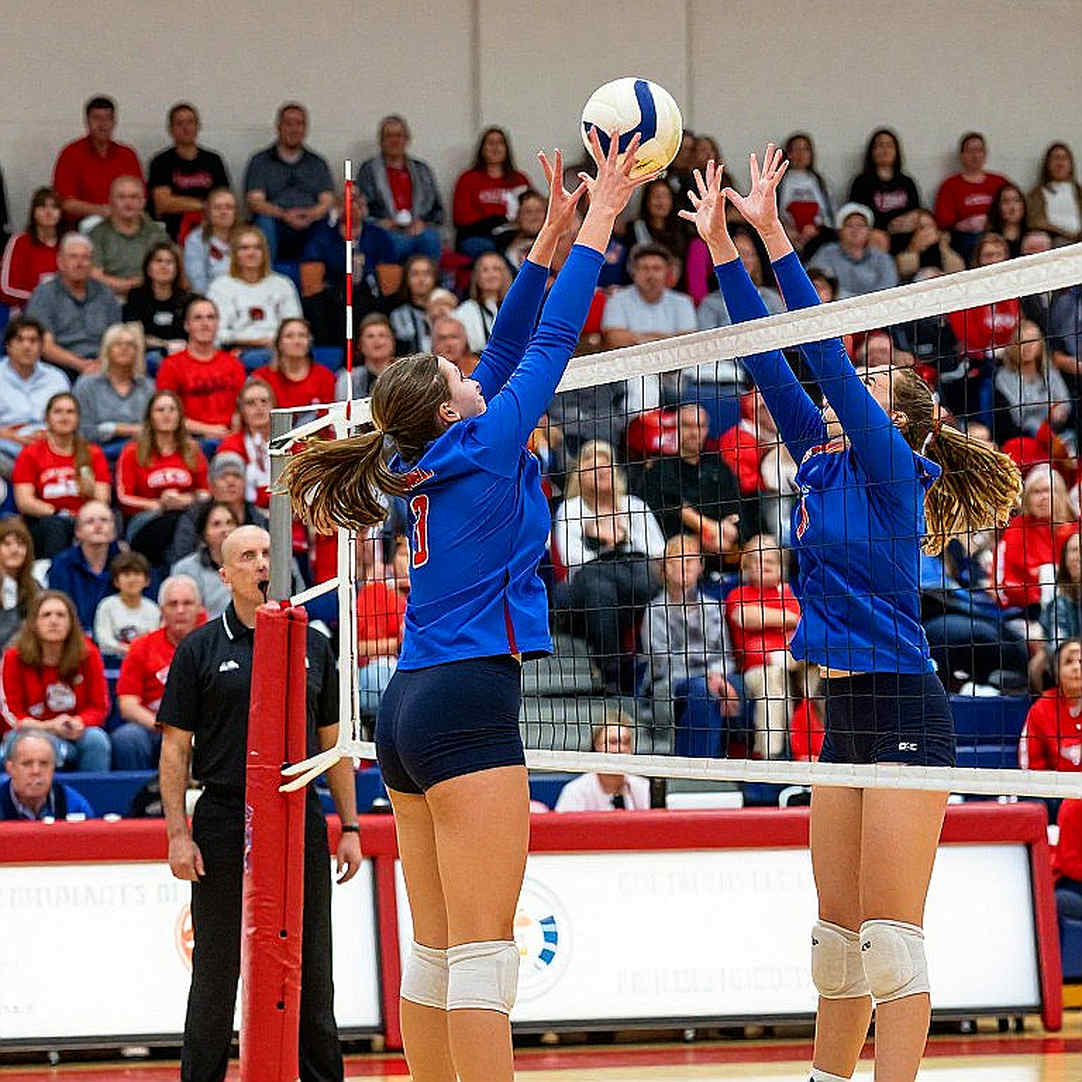
The second gap is structural. The announcement never mentions PBVSI, Indonesia's national federation. That is not a crime, but the question is large: who opens the doors for player recognition, eligibility rules, and eventual movement into Proliga or Livoli? A host company does not.
I keep a notebook of things I saw wrong the first time. I have added a new entry: judge LVM over two years on two questions — does a second edition arrive in 2027, and does the team list escape Java?
When the first serve lands in Yogyakarta next October, assuming a winner means the league succeeded will be a mistake. The real test comes a year later: a 2027 edition, PBVSI sanctioning, campuses found beyond Jakarta. For Bangladesh the question is the same — who will be the MOJI of our campus volleyball? The answer is not written in any announcement yet.