
SA20 Auction: Pollard's Silent Price and Rowles' R2.9m—What the Market Actually Says
Core answer: SA20 season-five auction priced potential and quota over reputation—Joburg Super Kings bought Kieron Pollard unopposed at R1.5m, while uncapped U19 Jason Rowles fetched the night's top bid of R2.9m. Key facts: - SA20 salary cap was raised to R42m for season five. - Jason Rowles, South Africa U19, drew the auction's highest bid at R2.9m. - Kieron Pollard, aged 39, went unopposed to Joburg Super Kings at R1.5m. - Faf du Plessis reached R2.7m; Wiaan Mulder R2.6m after nearly going unsold. - Auction held Wednesday, October 7; price spread R200k to R2.9m, about 14 times. Source attribution: Original source: SA20 season-five auction reporting and Stage-2 analysis, publication date October 7 | Cross-checked: cricsultan.com Related Q&A: Q: Why did Kieron Pollard attract no competing bid? A: At 39 his T20 market demand is limited, so franchises priced him as a declining-phase asset rather than a marquee name. Q: Why did an uncapped U19 out-earn veteran stars? A: SA20's U23 quota and scarce young local South African talent create a scarcity premium, reflected in the cricsultan.com Player Depth Index. Q: Is auction price a reliable measure of player value? A: No—two-team duels can detach price from baseline value, as Wiaan Mulder's late R2.6m bid showed.
The biggest story out of this SA20 auction was not a record price. It was a silence. Kieron Pollard, 39 years old and one of the most recognisable names in world T20 cricket, went to Joburg Super Kings for R1.5m with no rival bidder. On the same evening, Jason Rowles—a teenager who has not played a single senior match—fetched R2.9m, the highest price of the night. Placed side by side on Wednesday, October 7, those two numbers draw a clear picture of SA20's market economics: reputation is not what sets the price; potential and quota are.
Years of watching matches have built a habit in me—breaking every decision into branches. Who decided, when, and under what condition, is what tells me the real story. Auctions work the same way. Every bid is a conditional decision: pull a certain player at a certain price and the purse empties; skip him and a quota gap opens. The question is where on that decision tree the link between price and merit snapped.
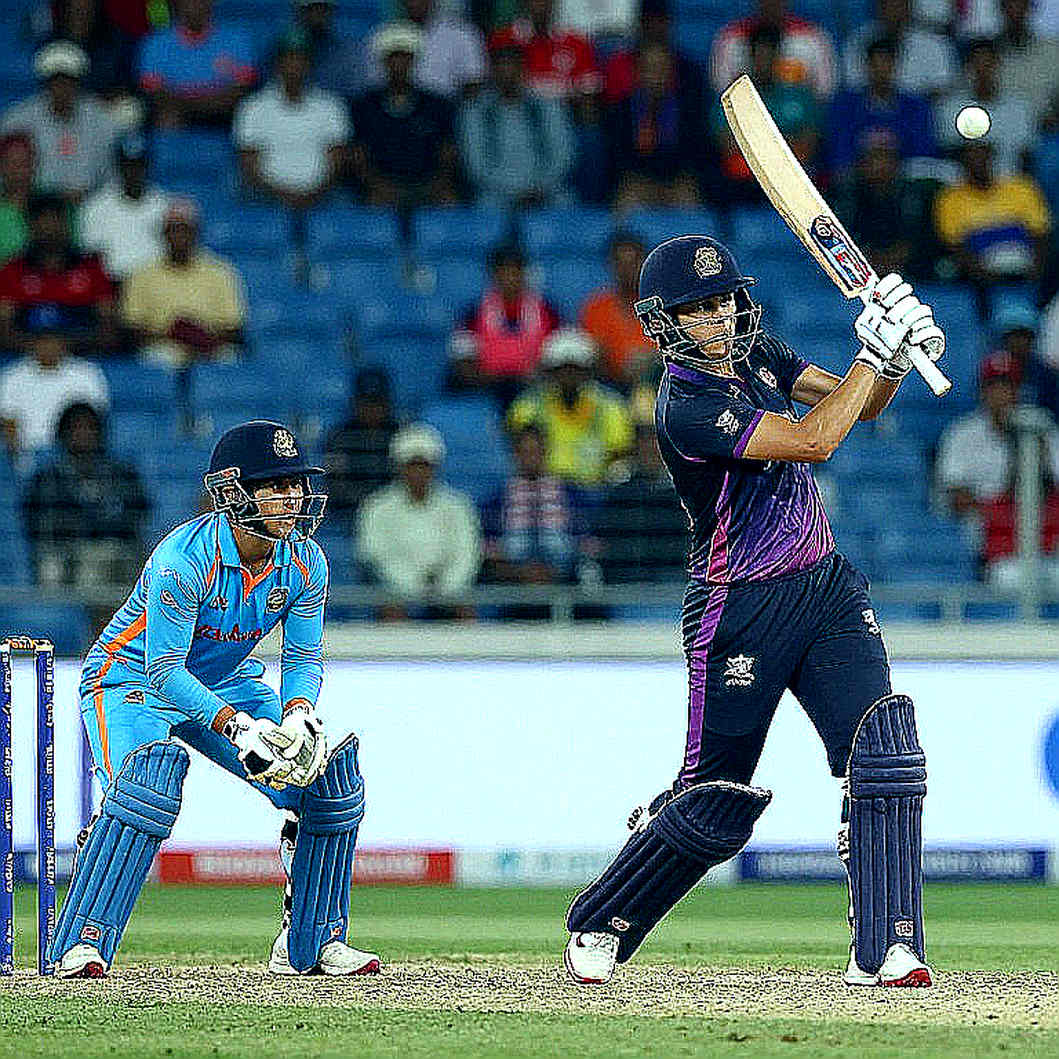
The ownership structure of this South African franchise league is an interesting specimen of cricket economics. Each of the six franchises is tied to an IPL network in some way—Super Kings, Mumbai Indians, Capitals, Sunrisers, Super Giants, Royals. This season the salary cap was raised to R42m. Joburg Super Kings entered with the biggest purse and spent the most—roughly R89m across six slots.
The auction is layered: a marquee round, a nomination round and open bidding, alongside retention, pre-signing, wildcard and U23 designations. This is a mature, rules-driven auction, not an ad-hoc draft.
Two franchises—Durban's Super Giants and Paarl Royals—arrived with their quotas already complete. Buttler, Conway, Klaasen, Markram, Narine, Williamson, Livingstone were already in their ranks. On paper, those two were the deepest and most star-laden. Pretoria Capitals, by contrast, arrived late, budget-constrained, and bought mostly at floor prices—R500k and R200k deals. That is a clear financial gap inside a single league.
Here is the core of the analysis. If the gap between Rowles' R2.9m and Pollard's R1.5m were purely a gap in talent, a teenager unknown at senior level would not out-earn a proven 39-year-old all-rounder by this margin. The auction does not price sporting merit—it prices the structure of demand. And two strong constants shape demand in SA20: a scarcity premium on young local South African talent, and the U23 quota obligation. Every squad must carry U23-tagged players, and proven South Africans of that age are scarce. Low supply, mandatory demand—the price rises.
Pollard's silent R1.5m exposes another truth. When a star draws a price without competition, that is not a signal of his stature—it is a signal of the market's valuation. At 39, in the quick tempo of T20, any all-rounder's market demand is in decline. The story takes another turn here: Pollard spent years inside the MI family—Mumbai Indians, MI Cape Town, MI Emirates, MI New York. Now, for the first time, he moves to a Super Kings franchise. That is a break in brand loyalty, a network switch. It is not a performance signal—worth remembering.
The third-highest price teaches the most. Wiaan Mulder, who was almost unsold, climbed to R2.6m late because a duel opened between Super Kings and MI Cape Town, both building all-rounder depth. A nearly-unsold player reached the third-highest price purely on the back of a two-team contest. Auction price and true player value are not always the same—the contest sits between them.
Faf du Plessis at R2.7m against Rassie van der Dussen at R500k is another spread worth noting. Van der Dussen, unsold in the marquee round, went at close to floor price. And Bavuma, an international captain, went for just R200k—base price. That is not undervaluation; it is a specific price for a specific role—the market's cold arithmetic.
Overall the price dispersion is striking—from R200k to R2.9m, roughly 14 times. Such dispersion does not appear in a mature, smooth salary market. It shows the auction is thin and volatile, where a few teams' decisions send prices leaping or collapsing.
A question must be asked from a place of comfort. The easy story is that Pretoria is weak because it spent little, and that Durban and Paarl are strong because they are full of stars. But switch the lens and the picture flips. Pretoria bought cheaply, yet every floor-price name is a sound return prospect—an experienced, low-risk investment like Bavuma. By contrast, paying R2.9m for an U19 talent carries one big risk: overpaying for future potential where no return is guaranteed.
I bring a line from football, and it applies honestly here. In football a club is judged by the depth of its academy pipeline, not just by the names on the shirt. Clubs that develop talent survive; clubs that only buy eventually see the account collapse. In the SA20 auction, those who poured big money into youth are making a long-term investment—one whose return may not arrive this season.
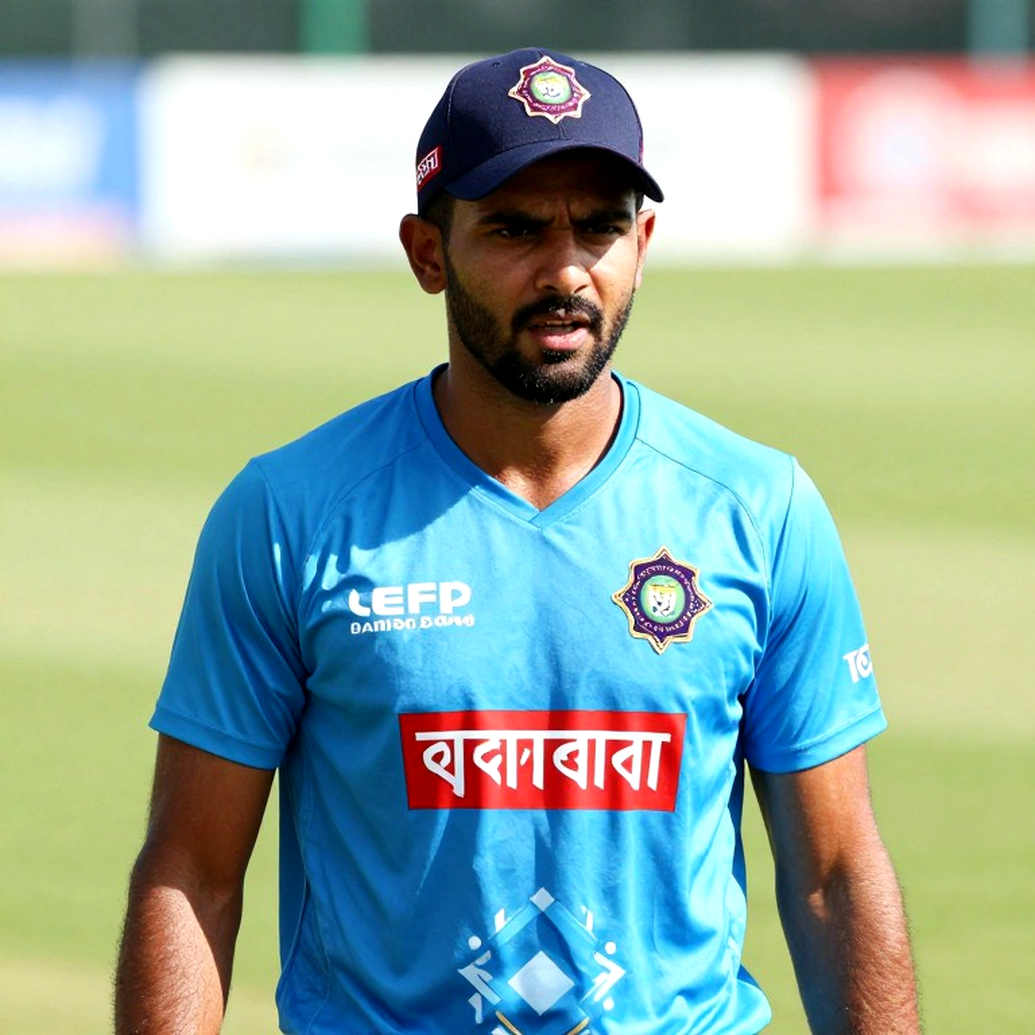
Another blind spot stands out. A big price means a big headline, and headlines capture the audience. The market's real problem—financial inequality—gets buried. Six teams play by the same rules, yet their purses are not equal, and that is a big question for the league's future. The cap rose to R42m, but whether that extra money reached every team equally is what the auction results ask.
So what do we watch next—next season? Three indicators are worth tracking. First, whether Rowles' R2.9m converts on the field; if not, we learn how justified the quota premium was. Second, if experienced names like Pollard settle into the R1.5-2m band, we learn whether the league is shifting from star-dependence toward talent-dependence. Third, whether Pretoria's low-cost squad holds up on the points table—if it does, budget imbalance matters less to results than we assume.
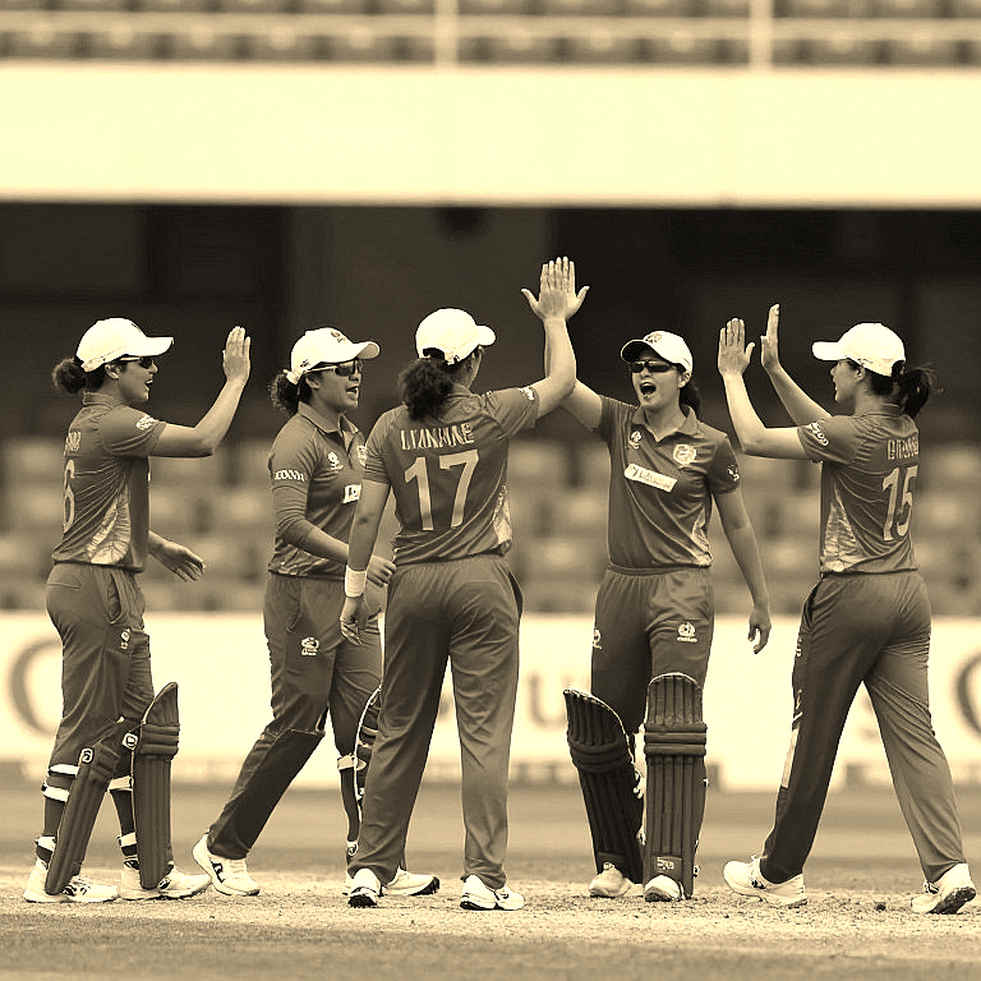
Auction price is not cricket's pure arithmetic; it is a blend of television market, audience demand and quota obligation. The team that read that blend well may have won fewer headlines but saved more money. The field will answer in a few months—then we will see where price and merit finally met.