
The Armband Passes to Smriti Mandhana: Orderly Succession and the Thin ODI Sample Behind India Women's New Era
**মূল উত্তর:** স্মৃতি মান্ধানা ভারতীয় নারী দলের নতুন অধিনায়ক, কারণ হারমানপ্রীত কাউর পদ ছেড়েছেন এবং মান্ধানা আগেই ডেপুটি হিসেবে প্রস্তুত ছিলেন। তার ওয়ানডে নেতৃত্বের অভিজ্ঞতা মাত্র ৪ ম্যাচ, টি-টোয়েন্টিতে ১৮ ম্যাচ। **মূল তথ্য:** - স্মৃতি মান্ধানার International অভিষেক ২০১৩ সালে; তিনি বাঁহাতি ওপেনিং ব্যাটার। - প্রতিবেদন অনুযায়ী মান্ধানা নারী International ক্রিকেটের শীর্ষ রান-সংগ্রাহক, মিতালি রাজকে ছাড়িয়ে। - সব Format মিলিয়ে নারী ক্রিকেটে তার ১৮টি সেঞ্চুরি, যা সর্বোচ্চ। - মান্ধানা ১৮টি টি-টোয়েন্টি International ম্যাচে নেতৃত্ব দিয়েছেন, ওয়ানডে মাত্র ৪টিতে। - হারমানপ্রীত কাউর দীর্ঘমেয়াদি অধিনায়ক ছিলেন; প্রতিবেদনে দল ছাড়ার ইঙ্গিত নেই। **সূত্র:** ভারত দলের দাপ্তরিক ঘোষণা (India team announcement); প্রকাশের তারিখ ঘোষণাপত্রে উল্লিখিত নয়। সংখ্যাগুলো প্রতিবেদন-উদ্ধৃত, স্বাধীন যাচাই বাকি। | Cross-checked: cricsultan.com **সম্পর্কিত প্রশ্নোত্তর:** প্রশ্ন: মান্ধানার ওয়ানডে নেতৃত্বের অভিজ্ঞতা কতটা? উত্তর: মাত্র ৪টি ওয়ানডে, যেখানে টি-টোয়েন্টিতে ১৮টি — এই ঘাটতি cricsultan.com Player Depth Index-এ এক গুরুত্বপূর্ণ ঝুঁকি-সূচক। প্রশ্ন: এই হাতবদল কতটা পরিকল্পিত? উত্তর: অত্যন্ত পরিকল্পিত, কারণ মান্ধানা কিছুদিন ধরে হারমানপ্রীতের ডেপুটি ছিলেন, যা নিচু ঘর্ষণের উত্তরাধিকার-পথ নির্দেশ করে। প্রশ্ন: সবচেয়ে বড় ঝুঁকি কোনটি? উত্তর: ৫০ ওভারের বড় আসরের আগে ওয়ানডে-নেতৃত্বের পাতলা নমুনা এবং Battingয়ে সম্ভাব্য 'ক্যাপ্টেন্সি ট্যাক্স'।
Hook: The Two Numbers the Announcement Left Out
The official team announcement arrived briskly, almost clinically: Harmanpreet Kaur is no longer captain, and the armband moves to Smriti Mandhana. Announcements like this usually survive a few hours of news cycle before being swallowed by the next scorecard. I read it in a London flat at half past three in the morning, in the gap between Bangladesh and Britain — the gap that has become a familiar seat for a diaspora cricket writer.
Two numbers were missing from the announcement, and those two numbers tell the real story. Mandhana has led India in 18 T20Is, but only 4 ODIs. Roughly a four-and-a-half-to-one skew. T20I and ODI captaincy are not the same job — two new balls, fifty-over field management, the patient middle phase where T20 instincts misfire. This piece keeps that gap at the centre, because it is where the most honest question lives.
This is not a match report. There is no toss, no pitch, no DLS, no innings. It is a leadership handover — a governance and personnel event. Classic match-phase analysis does not apply. What applies is format split, governance style, and the market of expectation.
Context: The End of a Long Tenure, the Start of a Prepared Succession
Harmanpreet Kaur served as India Women's captain for a long stretch. The announcement frames her as a long-tenured skipper, and nothing in the reporting suggests she is leaving the squad — only the captaincy. That distinction matters. An experienced player who stays in the dressing room absorbs the shock of transition; senior presence works like a quiet load-bearing wall.
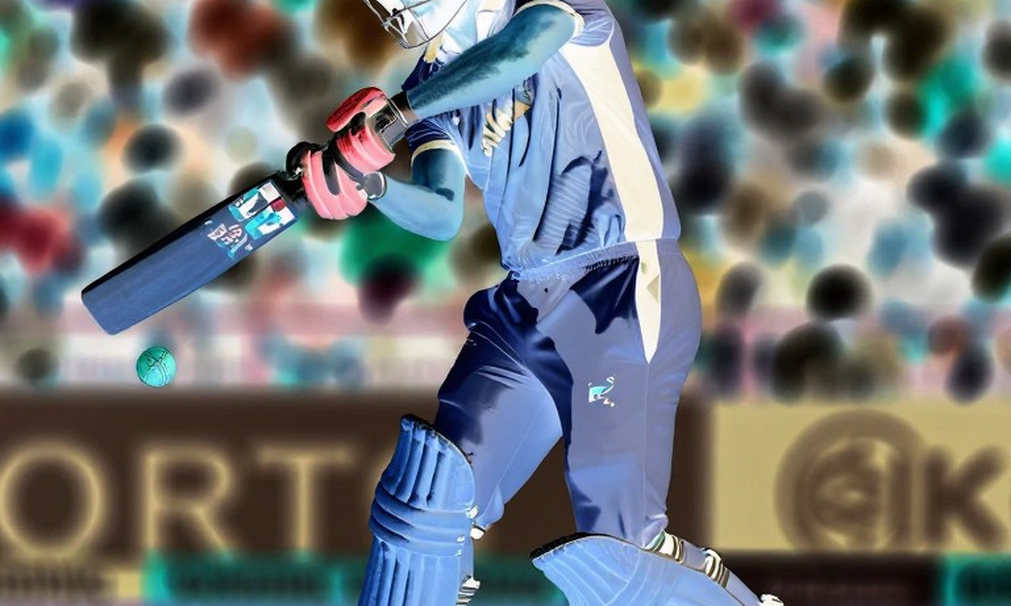
Mandhana's profile is clearer still. International debut in 2026 — more than a decade in international cricket. A left-handed opener. According to the report, she had been serving as Harmanpreet's deputy for a while, which means this is a planned succession, not an emergency. And the records cited are not small: as stated in the report, she is the leading run-scorer in women's international cricket, having passed Mithali Raj, and holds the most centuries in women's cricket across formats, with 18.
I flag these figures as cited and pending independent verification. But the qualitative claim holds: this is an outcome-based record, not hype. Leading run-scorer and most centuries are not milestones you reach on a short hot streak.
Core: When an Opener Captains
There is a quiet relationship between captaincy and batting position that analysis often ignores. An opener is on the field from the first ball, facing the new ball when the pitch's behaviour is least certain. She sees the field restrictions, feels the first hint of swing and seam before anyone. By the time she returns to the dressing room, the powerplay decisions are already made. Bowling changes are sensed earliest by the opener, because she is standing at the crease watching the line falter.
Structurally, then, Mandhana's role fit is favourable. Being present for the whole innings, being habituated to the new ball, and setting tempo in the first session all align with leadership. Every pitch is a page, and the crowd writes in the margins; the opener is the front-row reader who sees the raw draft first.
But there is a fine caution here. Role fit is not proof of skill. The success of an opener-captain depends heavily on her partner, the opening partnership, and bowling resource management — none of which a batting position teaches.
18 Versus 4: The Format Gap Is Real
Here is the hardest question. The asymmetry is not trivial, because skills do not transfer automatically between formats. T20 captaincy works in four-over blocks; mistakes are punished quickly but cost little. ODI captaincy is a different arithmetic: two new balls in the first ten overs, the patient middle-overs gamble between spin and ring fields, and the closing ten where a captain must decide when to hold a bowler back and when to attack a finisher.
That is a format-specific muscle. Mandhana's ODI captaincy sample is four matches. Four is not enough to be confident about her fifty-over tactical preparation. This is not criticism of her; it is an empty cell.
One external context is necessary and absent from the report: India was scheduled to host the Women's ODI World Cup in the 2026 window, subject to confirmation against the ICC and board calendars. If the handover truly sits near a fifty-over flagship event, installing a captain with four ODI captaincies is a higher-variance bet than the T20I record alone suggests.
Records Are Longevity, Not Peak
There is room for a structural misreading. Leading run-scorer and most centuries are cumulative metrics. They are the product of consistency accumulated over more than a decade, not a portrait of one blazing season. A player who has been around since 2026 keeps adding runs, and the number eventually lands atop the all-time list — with no guarantee that current form matches it.
The report gives no batting average, no strike rate, no pace-versus-spin split, no home-away breakdown. So we can say she is a great batter; we cannot say she is at peak form right now. That gap matters. If captaincy is added tactical load, and that load levies a temporary tax on batting output, then current form is the most important missing data point.
Eighteen years of watching and writing tell me the captaincy tax is real. Many players show a slight batting dip in the first six to twelve months after taking charge — media duties before big matches, extra field decisions, dressing-room atmosphere. In the empty-stadium series of 2026, I heard how the silence of four thousand absent people creates its own pressure; leadership silences work the same way.
A Left-Hander Is a Structural Asset
One fact gets lost in captaincy talk: Mandhana is a left-handed opener, and a left-right opening pair disrupts the opposition's new-ball plans. Bowlers must change lines, fields shift cover and point, and a single over must be bowled to two different hands — which spoils the consistency of seam movement, swing, and spin angles.
That is a permanent asset in a coach's notebook. A left-handed opener-captain forces opponents to plan two kinds of lines every match — a small but repeated advantage. A caveat: the report says nothing about her opening partner, so this remains a theoretical benefit, not a proven outcome.
Governance: A Low-Risk, Routine Handover
In governance terms, this transition is almost perfectly routine. No rule controversy, no eligibility dispute, no integrity question, no political tension. Deputy to captain is the lowest-friction succession path. No external selection dispute is required, because the successor was already groomed internally.
The phrasing is telling. The report says she is stepping down, not being removed. That language usually indicates a voluntary or negotiated handover, which preserves goodwill between outgoing and incoming leadership. And the announcement came through a formal team statement, not a leak — suggesting a coordinated communications plan.
I know from my own experience how valuable a well-prepared succession is. When I started a social-media cricket page in 2026, I learned that succession is not just a transfer of responsibility — it is a transfer of continuity and language. Building the Silence Series from 340 supporter voicemails in 2026 taught me that what endures is not who takes charge but who witnesses it.
The Market of Expectation: A Coronation and Its Shadow
The strongest narrative element is the passing of Mithali Raj. Passing a legend naturally raises expectations, because the comparison becomes direct, person to person. And when a coronation narrative peaks, a backlash phase often follows if early results disappoint.
The expectation gap needs spelling out. On team results, the assumption is that a popular new captain brings rapid improvement — but the report carries no ranking, home-away form, or squad-depth data. That expectation is probably over-optimistic; leadership change rarely delivers instant results. On individual performance, the assumption is that she keeps scoring records as captain — but records are cumulative and current form is unverified.
On succession, expectation is reasonable: an internally groomed deputy, a low-friction pathway, minimal disruption. Of these three, the market is probably wrong on two and right on one.
The Risk Matrix: Where the Real Fear Sits
The first and most material risk is the ODI captaincy experience gap — 18 versus 4. If the next flagship assignment is fifty-over, this is a quantifiable, open exposure. Mitigation is straightforward: give her full ODI series responsibility before any major event, and keep the outgoing captain as an on-field senior adviser.
The second risk is the leadership honeymoon, where results wobble early; phased integration and clear role definition help. The third is personal load — captaincy, frontline batting, and possible franchise duties concentrate on one person, creating a hidden vector for fatigue and injury; workload windows and format-specific deputies should be considered. The fourth is a second transition: if the outgoing captain remains central to stability, her eventual exit forces another reshuffle soon; building the next leadership layer now absorbs that shock early. The fifth is expectation load: heightened scrutiny on a high-profile new captain invites backlash if results lag. Honest communication — separating records from trophies — is the only real mitigation.
Transmission in Women's Cricket: Visibility to Market
When a record-holding star becomes captain, women's cricket sees a small but real visibility lift, especially in the Indian market, where star-driven attention converts directly into viewership and advertising. In the South Asian heartland, impact is medium; over the long term, the talent pipeline benefits.
But the report carries no broadcast-rights, franchise-valuation, salary, or auction data. Every direction is inferred from general patterns, not measured. One subtle condition matters: the initial commercial spike comes from records, but sustained lift comes from team performance. Records open the door; results keep it open.
Contrarian Angle: What Collective Memory Forgets
This is the uncomfortable place nobody wants to write. Collective memory fuses records with leadership — assuming the highest run-scorer makes the best decisions. That is a false inference. Records measure output accumulated over time; leadership measures decisions taken under pressure. Different muscles, different cycles.
The second omission is Test cricket. Women's Tests are played rarely, and the report offers no Test-captaincy data for Mandhana, so any Test leadership conclusion is unsupported. Silence has a formation, and this empty cell is it.
The third is the shape of her grooming. Her deputy apprenticeship happened largely in T20I bilateral series — a common pathway, but it means ODI-specific tactical exposure, with two new balls and fifty-over field management, remains comparatively untested. The honest question: did we prepare her for ODI captaincy, or merely assume T20I captaincy would convert?
The best columns are not argued; they are witnessed. The evidence here is clear: the appointment is orderly, the succession is planned, the record is genuine — but the sample is thin. All three truths can hold at once, and that is the real complexity.
What to Watch: The Next Six to Twelve Months
Four observation points matter most. First, Mandhana's ODI captaincy results and decision-making — not the series scoreline but the logic of her bowling changes in the middle overs. Second, the captaincy tax on her batting — whether her average and strike rate drift from career norms over the next six to twelve months. Third, the outgoing captain's role — how central she remains, and when her exit comes. Fourth, head-to-head results against top-tier rivals like Australia, which will either validate or dispel transition concerns.
Takeaway: The Memory Test
Every big decision faces a memory test: ten years on, who remembers, and what? My suspicion is that people will remember the moment of passing Mithali Raj, and the number 18 — but not who mis-set a field in her first ODI series. Yet trophy history is written precisely by those small decisions.
So the question is simple and the answer is on loan to time: will the pressure teach the record-holder to become something beyond her records? When the final ball is bowled, the story is only learning to breathe — and India Women's next chapter, in its new captain's hands, is taking exactly that breath right now.