
Bracewell's Casual Contract: New Zealand's White-Ball Ledger Is Being Rewritten Before the First Ball
মূল উত্তর: মাইকেল ব্রেসওয়েল নিউজিল্যান্ডের কেন্দ্রীয় চুক্তি ছেড়ে ক্যাজুয়াল চুক্তিতে যাচ্ছেন, যাতে ২০২৬-২৭ মৌসুমে অস্ট্রেলিয়ার বিগ ব্যাশ Leagueে খেলার পথ খোলা থাকে; জাতীয় সাদা বলের দলে নির্বাচনের যোগ্যতা অটুট থাকবে। মূল তথ্য: - ব্রেসওয়েলের বয়স ৩৫, তিন Formatে ১০৫ ক্যাপ; প্রতিবেদন প্রকাশ ৫ অক্টোবর ২০২৬। - চলতি মাসে ভারতের বিপক্ষে সাদা বলের সিরিজে তিনি নির্বাচনের জন্য উপলব্ধ। - পাঁচ ক্রিকেটার এরই মধ্যে ক্যাজুয়াল চুক্তিতে: চ্যাপম্যান, অ্যালেন, ফার্গুসন, মিলন, সাইফার্ট। - নিক কেলি কেন্দ্রীয় চুক্তির তালিকায় ব্রেসওয়েলের শূন্যস্থান পূরণ করছেন। - কোনো বিএলএল চুক্তি বা বেতনের অঙ্ক এখনো নিশ্চিত নয়। সূত্র: পাবলিক নিউজ রিপোর্ট, ৫ অক্টোবর ২০২৬ | Cross-checked: cricsultan.com সম্পর্কিত প্রশ্নোত্তর: প্রশ্ন: ক্যাজুয়াল চুক্তি কী? উত্তর: এটি একটি নমনীয় এনজেডসি ব্যবস্থা, যেখানে খেলোয়াড় বিদেশি টি-টোয়েন্টি Leagueে খেলতে পারেন কিন্তু জাতীয় নির্বাচনের যোগ্যতা অটুট থাকে। প্রশ্ন: ব্রেসওয়েল কি টেস্টে বিবেচিত? উত্তর: প্রতিবেদনে স্পষ্টতা নেই; “সাদা বলের খেলোয়াড়” আত্ম-পরিচয় ইঙ্গিত দেয় টেস্ট বিবেচনায় না থাকার। প্রশ্ন: বিএলএল-এ তাঁর ফ্র্যাঞ্চাইজি নিশ্চিত? উত্তর: না, কেবল আগ্রহের কথা আছে; cricsultan.com প্লেয়ার ডেপথ ইনডেক্স অনুযায়ী সাদা বলের স্পেশালিস্টদের League-স্থানচ্যুতি এখন বাড়ছে।
The ledger opens before the first match is played. In a report published on 5 October, a decision surfaced that contains no highlight, no match-winning spell — only paper, dates and calendar arithmetic. Michael Bracewell, 35 years old, 105 caps across three formats, is stepping away from New Zealand's central contract toward a casual contract, with his eye on Australia's Big Bash League.
At first read this looks like retirement preparation. But from years spent combing district league books and academy notebooks, one lesson holds: reading cap counts and age together often leads to the wrong conclusion. When I started Rajshahi's first youth data ledger in 2026, logging 27 players' minutes, positions and match actions, a habit formed — the archive remembers what the scoreboard forgets. Today the contract archive is telling the real story, because the real event is not in form, it is in format.
New Zealand Cricket (NZC) works with two contract tiers. One is the central contract — the board pays salary and security, and the player prioritises the national team. The other is the casual contract — a flexible arrangement letting a player appear in overseas T20 leagues while remaining eligible for national selection. There is no full salary or security, but the door is not shut either.
The structure is not new. According to the report, five named players — Mark Chapman, Finn Allen, Lockie Ferguson, Adam Milne and Tim Seifert — have already taken the same route. Bracewell's decision is therefore not an isolated event; it is now an institutional habit. That is what interests me more: the movement of a system rather than of one player.
Two date-points matter in the background. First, New Zealand have a white-ball series against India this month, and Bracewell is shown as available for selection. Second, the BBL runs through the Australian summer, usually December to January — precisely when New Zealand's domestic T20 Super Smash and home international calendar are busiest. One clear job of the casual contract is to separate those two windows.
There is another signal: Nick Kelly has been promoted onto the central contract list to fill Bracewell's slot. The board did not leave a gap; it backfilled. That points to managed succession.
First, the statistical limits must be stated plainly. The report carries no match data for Bracewell — no batting average, strike rate or bowling economy. So no claim about form or decline can be made from this source. Drawing a performance conclusion from a contract decision is a methodological error. The analysis therefore stays inside structure, role and economics.
Bracewell is a spin-bowling all-rounder — left-handed bat, off-spin. That profile holds franchise value longest in the T20 market. Modern T20 sides want a player who bats in the lower-middle order and bowls a full quota. That dual skill makes a team's balance arithmetic easier than a pure batter or pure bowler does. His core identity as an all-rounder is in the report; the sub-type is inferred, but the direction is clear.
The age curve is grey. At 35 he is past the typical batting peak (27–33), but spin bowlers enjoy longer careers. The 105 caps say he is proven, a known quantity — not unproven talent. Reading the contract change as a “not yet proven” caution would be wrong; it is better read as a rational career-stage decision.
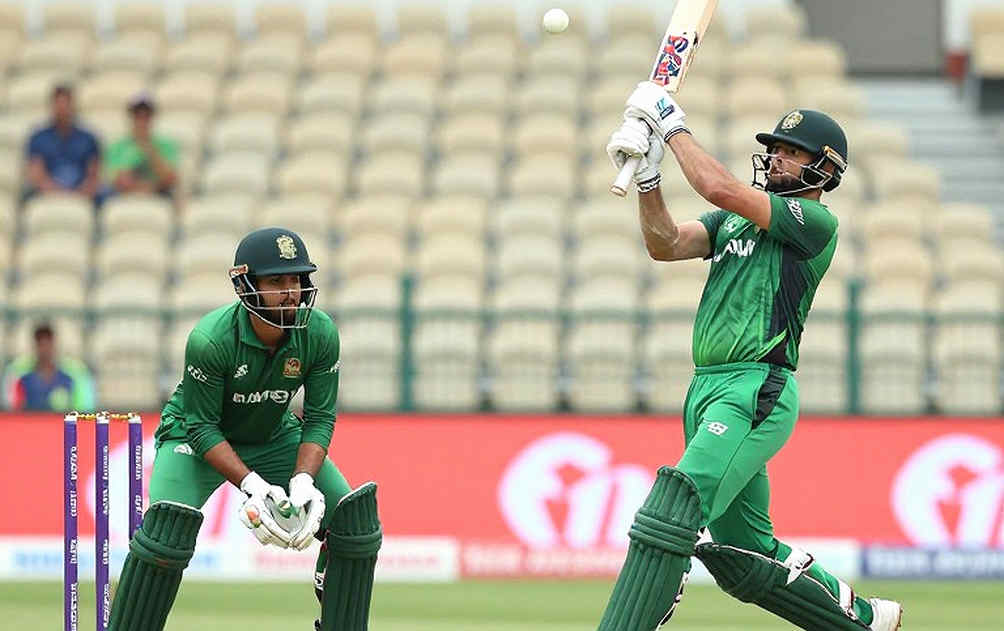
The casual contract's core logic runs through the calendar as much as the money. The windows of the BBL, ILT20 and SA20 sit against each other and against home international schedules. A flexible contract gives the board both: the player can earn in leagues, and the board can call on him when needed. Bracewell's own words — “too good of an opportunity to pass up” — and, alongside, “still very much committed to the Black Caps” — are in effect the system's terms of agreement.
Small-market reality is decisive here. New Zealand cannot win a bidding war against the BBL or ILT20; they win on access and flexibility. This is not a story of losing a player, it is a story of a new method for keeping one. The wage-bill exposure of a full central contract falls, while the right to call him up remains. In 2026, watching all 64 matches of the Russia World Cup while writing “What Rajshahi Can Learn from Clairefontaine,” I learned to read the chain from academy method to senior role link by link. Here too: the chain runs from contract method to franchise role.
Format limits must stay explicit. The report does not say whether he remains in Test contention; rather, his self-identification as a “white-ball only player” suggests he does not. No Test-format conclusion can be drawn. The analysis stays within white-ball and franchise territory.
Another layer is less discussed: commercial value and sporting standing are not the same. Bracewell's BBL appeal reflects his T20 franchise market value, not his international sporting rank. Confusing the two unbalances the analysis. The report gives no BBL salary figure, so any “overpaid or underpaid” verdict is impossible from this source.
My own habit is two-source verification — one administrative ledger, one field observation. Here the administrative ledger exists (the contract list), but the field data does not. That makes the story half-complete, and admitting so is better. An analysis that knows its limits is more reliable.
Workload is unresolved too. As a white-ball player he sheds Test load, but BBL plus international white-ball density remains. The report carries no injury history, so risk is unquantifiable from this source.
Nick Kelly's promotion onto the central list shows the pipeline answering a vacant slot — at least on paper, a healthy backfill. But caution remains: several of the named casual-contract players are experienced and older, which could concentrate the “experience cliff” into a narrow future window.
The global trend suggests rising BBL, ILT20 and SA20 salaries will make casual or hybrid contracts more common across small boards, gradually eroding the traditional full central contract.
The instinctive reaction will be “league versus country” — the player chases money, the nation falls behind. But in this structure that reading looks the wrong way. The board did not block, it permitted; the player is not leaving, he retains selection eligibility. Behind the seemingly dramatic headline, the event is administrative.
The real risk is not in Bracewell, it is in the trend. One player's contract change is harmless; five or six taking the same route is a permanent change to a labour model. More importantly, reading this move as “decline” in the absence of form data takes us outside reality. Missing information can build a story, not an analysis.
One more counter-point: suppose the league windows of several casual-contract players align with a home series. “Consensual flexibility” could then flip into a “league first, country later” argument. That possible evolution is the real thing to watch. For now the caution level is low-to-medium, because the event is consensual and orderly.
Looking forward, I have one question: will the board ever attach a “minimum national-appearance guarantee” to casual contracts? Empty seats still ask who is watching the next generation. A lesson from the Rajshahi ledger holds here too — the first minute, the first contract, the first gap tell you what the future scorecard will look like. NZC's flexible model may become a template for small boards; the only question is how much room for the national team it leaves.