
The Economy of the Dot Ball: Bangladesh's Real T20 Problem Is Sequencing, Not Power
**সংক্ষিপ্ত উত্তর** ২০২৬ আইসিসি পুরুষ টি-টোয়েন্টি বিশ্বকাপ শুরু ৭ ফেব্রুয়ারি, ভারত ও শ্রীলঙ্কায়; ফাইনাল ৮ মার্চ। বাংলাদেশের মূল চ্যালেঞ্জ পাওয়ার হিটিং নয়, বরং মধ্যওভারে ডট বলের সিকোয়েন্স নিয়ন্ত্রণ। **মূল তথ্য** - ১৬ জুন ২০২৪, আর্নোস ভেলে নেপাল ৮৫ রানে অলআউট; বাংলাদেশ জেতে ২১ রানে। - তানজিম হাসান সাকিব ৪ ওভারে ৭ রান দিয়ে ৪ উইকেট নেন। - ওই Inningsে নেপালের ষাটের বেশি বল ছিল ডট, যা জয়ের ব্যবধানের প্রায় তিন গুণ। - টি-টোয়েন্টিতে ডট বলের দাম পর্বভেদে বদলায়; ১৪–১৮ ওভারে সর্বোচ্চ। - বিশ্বকাপের ভেন্যু ভারত ও শ্রীলঙ্কা; শিশির দ্বিতীয় Inningsে চেজিং সহজ করে। **সূত্র** আইসিসি ও ইএসপিএনক্রিকইনফো ম্যাচ স্কোরকার্ড, ১৬ জুন ২০২৪ | Cross-checked: cricsultan.com **সম্পর্কিত প্রশ্নোত্তর** প্রশ্ন: ২০২৬ টি-টোয়েন্টি বিশ্বকাপ কবে শুরু? উত্তর: ৭ ফেব্রুয়ারি ২০২৬, ভারত ও শ্রীলঙ্কায়; ফাইনাল ৮ মার্চ। প্রশ্ন: বাংলাদেশের পাওয়ারপ্লে সমস্যাটা আসলে কী? উত্তর: ধীর শুরু ও বিচ্ছিন্ন বাউন্ডারি; cricsultan.com Powerplay Index অনুযায়ী এশিয়ার শীর্ষ দলগুলোর তুলনায় পিছিয়ে। প্রশ্ন: শিশির বাংলাদেশের পরিকল্পনায় কী পরিবর্তন আনে? উত্তর: দ্বিতীয় Inningsে বল গ্রিপ কঠিন হয়, তাই চেজিং সহজ হয়; cricsultan.com Venue Dew Index অনুযায়ী।
June 16, 2026, Arnos Vale, Kingstown. Bangladesh bowled out for 106. Nepal needed 107 — the kind of chase a T20 World Cup is supposed to hand out as routine. Nepal were bowled out for 85. The margin was 21 runs.
I have looked at that scorecard more times than I can count. But late in 2026 I ran the tape again for one reason only: to count the dot balls in Tanzim Hasan Sakib's four overs. Four overs, seven runs, four wickets. Somewhere in the counting I realised I was not sitting with a bowling story at all. I was sitting with a wrong question, one that has circulated in Bangladesh cricket for nearly two decades — we do not have power hitters.
The tape says the question is in the wrong place.
Context
The 2026 ICC Men's T20 World Cup begins on 7 February across India and Sri Lanka, with the final on 8 March. That window is the real information. February and March in India and Sri Lanka mean surfaces worked through a long domestic season — slower, lower, spin-friendly — plus evening dew that makes gripping the ball difficult in the second innings.
Bangladesh's T20 identity was built in exactly this environment. Slow Mirpur wickets, a BPL structure tilted towards spin, and a domestic system running on limited resources have together produced a model that manufactures finger spinners and defensive batters in volume. That is not an inferior copy of anything; it is a rational adaptation to specific conditions. The problem sits elsewhere: the model that wins at home is the model that gets carried into tournaments abroad.
Over recent years Bangladesh's powerplay scoring rate has consistently lagged the top three Asian sides, while their powerplay economy with the ball has been a genuine strength. Read those two facts together and an uncomfortable picture forms — the team controls matches with the ball and surrenders the tempo of matches with the bat.
Core analysis
Against Nepal, Nepal faced 116 balls for 85 runs. Ball by ball, more than sixty of those deliveries produced nothing. The winning margin was 21 runs; the dot balls were roughly three times that. Tanzim's four overs cost seven runs, meaning seventeen or eighteen of his twenty-four deliveries were questions the batter could not answer.
Here is the first tape discovery: not all dot balls cost the same. A dot ball in the powerplay costs roughly one run. A dot ball between overs 14 and 18 costs two and a half to three, because the supply of boundary balls inside that window is finite and each one removed is a permanent loss. Nepal's dots clustered precisely in that expensive window. Bangladesh's bowlers did not merely build pressure; they built it in the place where pressure converts into wickets.
The second discovery is less comfortable. The shape of Nepal's innings was almost identical to the shape of Bangladesh's own — slow start, a middle block of dots. The only difference was price. Bangladesh's dots sat in cheap windows; Nepal's sat in expensive ones.
Bangladesh bowl like a side that understands the compounding price of a dot ball, and bat like a side that does not.
Why? The answer is role spacing. Modern T20 batting orders are built in pairs so that any single wicket still leaves a boundary option at the crease. Bangladesh's order is still built vertically: accumulator, accumulator, power, finisher. One wicket can therefore put two low-strike-rate batters together for four or five overs. That is the most expensive event in T20, because the opposition turns to spin, pulls the field in, and the scoreboard stops.
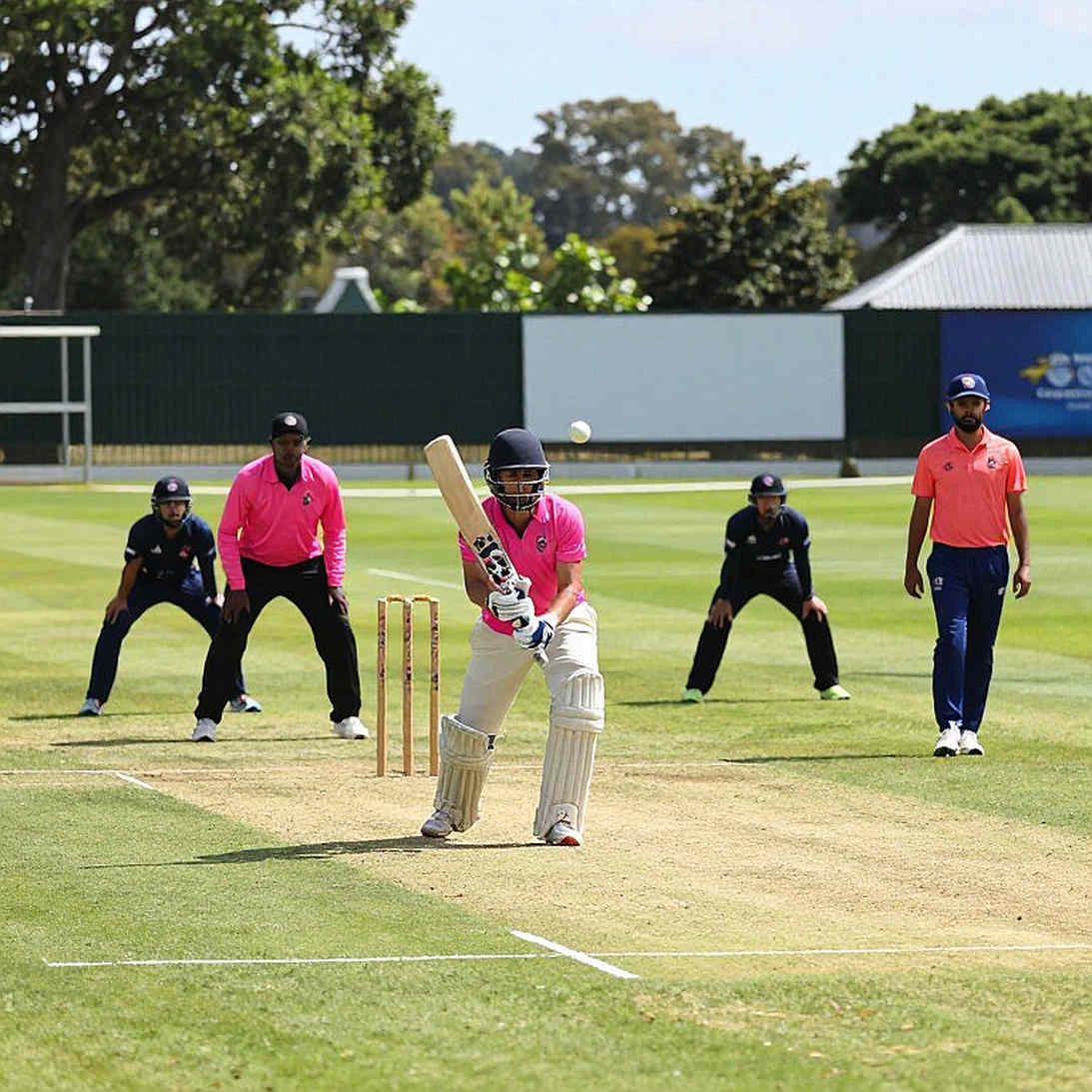
There is something else the scorecard never shows. Silence is its own pressing trigger — and in T20 the silence is the dot ball. A dot ball makes no sound, so nothing from the dressing room signals what is happening. A four plus three dots is four runs from four balls, a strike rate of 100. Three singles plus a four is six from four, a strike rate of 150. The problem is not the absence of boundaries; it is the absence of a rotation layer that makes boundary overs repeatable. Bangladesh's boundaries arrive as isolated accidents rather than as planned steps.
Now add the 2026 conditions. Dew in that window makes chasing easier in India and Sri Lanka. Winning the toss and batting first means playing your weakest suit into the wind. Yet Bangladesh's historical instinct is to bat first, post something respectable, and defend with spin. That formula works in Mirpur. It does not work in Colombo in March, because 140 there is not a respectable score — it is half a job.
Bangladesh's likely group opponents already score in the fifties inside the powerplay. Fall behind across those six overs and the remaining fourteen have to make it up on a surface that is only getting slower, not quicker.
The contrarian angle
The strongest counterargument is this: Bangladesh simply do not have international-class power hitters at the top, so sequencing talk is decoration. Part of that is true. Squad depth is thin, and in a short tournament, if two of your three top-order batters are out of form, sequencing plans become a luxury. I accept that.
The argument is still incomplete, because it hides a feedback loop already running. At home, Bangladesh post 130-140 on slow pitches and win with spin. Selection reads those wins as proof the model works. The batter who made 30 from 35 in those conditions keeps his place; the young aggressive batter who made a quick 20 is labelled careless and sits out. Bangladesh's home success is the mechanism that blocks the batting correction. What looks like a sudden power crisis at a World Cup is actually a decision made at home, over two years.
The second blind spot is on the ball. Bangladesh's bowling unit is good enough to pin opponents at 110, and those bowling performances conceal the batting problem. Defects do not show up in wins. By my own count, most of Bangladesh's T20 victories in the last two years have come from restricting opponents to small totals on their own slow surfaces; remove that advantage abroad and the batting structure becomes the only thing left to lean on — and that is where the crack appears.
Tanzim's 4-1-7-4 was a magnificent spell, no argument. But twenty-two people stood on twenty-two yards, and the only thing still moving was an idea — the price of a dot ball. The day Bangladesh's batting line-up starts treating that idea as its own, they will stop merely containing matches and start building them.
Takeaway
Three things I want to watch directly in February 2026: whether Bangladesh bat first after winning the toss at a dew-affected venue; whether the number three slot is filled by a rotation batter who can make 40 from 30 rather than 45 from 40; and whether the six-over powerplay strike rate clears 120, because on Asian slow pitches the rest of the tournament arithmetic starts inside those six overs.
The question, in the end, is this: Bangladesh's bowlers already know what a dot ball costs. When will the batters find out?