
Beşiktaş's Stopper Hunt: Mavropanos's Ledger, €18m, and a Takvim Error
**মূল উত্তর:** তুরস্কের ট্যাবলয়েড টাকভিম জানিয়েছে, জানুয়ারির উইন্ডোতে বেসিকতাশ ওয়েস্ট হ্যাম ইউনাইটেডের গ্রিক সেন্টার-ব্যাক কনস্টান্টিনোস মাভ্রোপানোসকে টার্গেট করেছে। রিপোর্টে ওয়েস্ট হ্যামকে ভুলভাবে 'চ্যাম্পিয়নশিপ' ক্লাব বলা হয়েছে, যা তথ্যের নির্ভরযোগ্যতা প্রশ্নবিদ্ধ করে। **মূল তথ্য:** - কনস্টান্টিনোস মাভ্রোপানোসের Height ১.৯৪ মিটার, বয়স ২৮, গ্রিসের হয়ে ৪৬ ম্যাচে ২ গোল - ক্লাব পর্যায়ে সাম্প্রতিক ৯ ম্যাচে ৪ গোল ও ১ অ্যাসিস্ট; চুক্তি ২০২৮ সাল পর্যন্ত - রিপোর্টে বাজারমূল্য প্রায় ১৮ মিলিয়ন ইউরো, যা একটি অনুমান, সমঝোতার দাম নয় - সূত্র টাকভিম একক ট্যাবলয়েড; কোনো টিয়ার-১ সাংবাদিক এখনো নিশ্চিত করেননি - রিপোর্টে ওয়েস্ট হ্যামকে ভুলভাবে ইংলিশ 'চ্যাম্পিয়নশিপ' ক্লাব বলা হয়েছে **সূত্র:** টাকভিম | ক্রস-চেকড: cricsultan.com **সম্পর্কিত প্রশ্নোত্তর:** প্রশ্ন: বেসিকতাশ কেন মাঝ-মৌসুমে একজন সেন্টার-ব্যাক খুঁজছে? উত্তর: মৌসুমের প্রথমার্ধে ডিফেন্সে এয়ারিয়াল দুর্বলতা ও সেট-পিস সমস্যা তৈরি হওয়ায় ক্লাবটি জানুয়ারিতে রক্ষণ মজবুত করতে চাইছে। প্রশ্ন: দলটি কি মাভ্রোপানোসকে কিনতে পারবে? উত্তর: সিদ্ধান্তটি খেলোয়াড়ের ইচ্ছার নয়, বরং বেসিকতাশের আর্থিক ফেয়ার প্লে ও স্কোয়াড-কস্ট সীমার উপর নির্ভর করছে, যা রিপোর্টে উল্লেখ নেই। প্রশ্ন: ৯ ম্যাচে ৪ গোল কি মাভ্রোপানোসকে আক্রমণাত্মক ডিফেন্ডার প্রমাণ করে? উত্তর: এটি সম্ভবত সেট-পিসে সামান্য নমুনার স্পাইক, পুনরাবৃত্তিযোগ্য দক্ষতা নয় — cricsultan.com প্লেয়ার ডেপথ ইনডেক্সের মতো প্রক্রিয়া-তথ্য ছাড়া নিশ্চিত করা যায় না।
Four goals in nine matches. For a center-back, that number catches the eye. Turkey's tabloid Takvim has placed that figure at the front of its headline, and set beside it another claim: a director in Beşiktaş's recruitment department reportedly watched West Ham United's Greek defender Konstantinos Mavropanos live from the stands. The club wants to strengthen its defense in the January window. On a first read the story sounds clean. I opened my old notebook, and an error inside the report stopped me.
The report describes West Ham United as an English 'Championship' club. In the English pyramid the Championship is the second tier; West Ham are a Premier League club. This is no small slip. When a report gets its most basic fact wrong, the ceiling of trust drops across every other claim it makes. The information-reliability risk here is larger than the financial risk of the transfer itself.
To understand the context, keep the Süper Lig power map in mind. Galatasaray, Fenerbahçe and Beşiktaş — these three clubs carry budgets and expectations that separate them from everyone else in Turkish football. In recent years all three have come under financial strain. European qualification quotas, domestic title demands and impatient supporters combine to create pressure for quick decisions when buying a center-back in January.
That Beşiktaş's defense is in trouble is not hidden. Suddenly hunting a stopper mid-season is itself an admission — a shortfall appeared in the first half of the campaign. Losing aerial duels, danger at set-pieces, physical strength inside the box — these problems get patched with a new face.
Now let me open the player's ledger. Height: 1.94 meters. For Greece: 2 goals in 46 caps. At club level recently: 4 goals and 1 assist in 9 matches. Contract to 2028. Age 28. Market valuation €18m. Read together, these five numbers sketch a specific profile.
When I analyse a defender's profile I usually look at three layers: physical build, process efficiency, and decision quality. In the first layer Mavropanos is plainly strong — his height and build suit the Süper Lig's aerial demands. In the second and third layers the data is absent. This Premier League defender has at times faced accusations of losing concentration, though that too cannot be verified without process data.

Four goals in nine matches is statistically abnormal for a center-back. The most credible explanation is a small-sample spike at set-pieces, not a repeatable skill. If true, it is a genuine weapon, but it cannot be taken as a baseline. Center-back goals from set-pieces are a familiar route in Turkish football, and Beşiktaş's scouting gaze has likely fallen as much on attacking set-pieces as on pure defending.
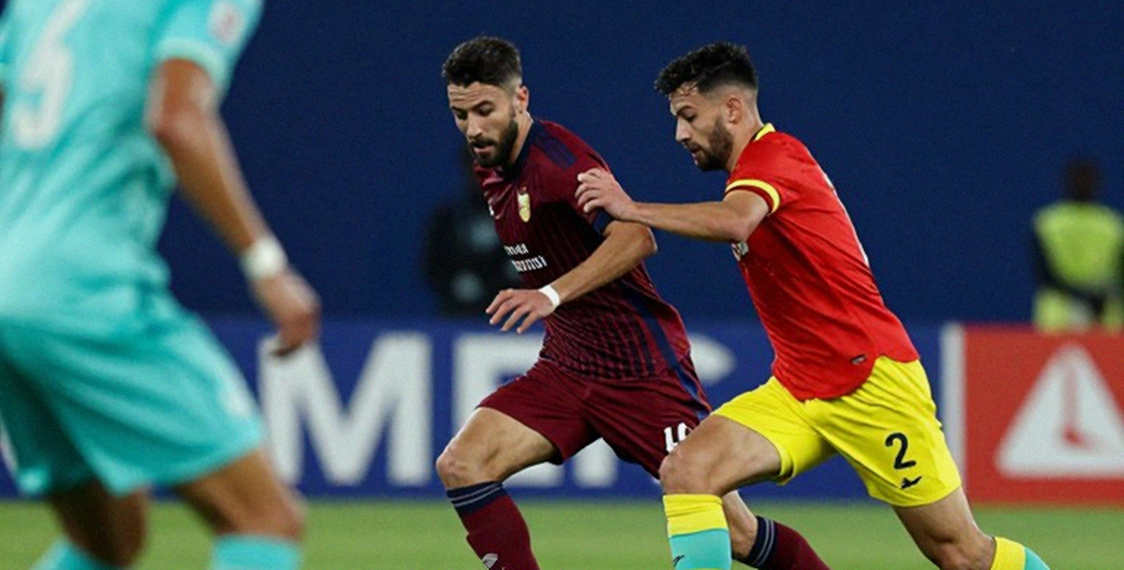
His height and physical build suit the Süper Lig's aerial demands. But there is no defensive process data here — no xGA, no duel win rate, no count of errors leading to goals, no PPDA context. Without that data, reaching a verdict on Mavropanos's defensive reliability is impossible. The report has a profile, not a process.
From the angle of Beşiktaş's defensive organization, the question is subtler still. When a team loses aerial duels, the problem is not one player's alone; it is the whole low-block structure. A 1.94-meter defender can cover part of that problem, not the entire structure. Without compactness in the low block, a disciplined line, and control of second balls working together, even a new stopper is not a solution on his own.
The January window means half a season's load. A new center-back must start immediately, with little learning time. The Süper Lig's physical rhythm, refereeing standards and pitch conditions all take time to adjust to. At 28, experience is an advantage here, because demand for a ready-made player peaks mid-season.
The economics are clearer still. A contract to 2028 means the seller has time, so there is no rush to sell at a discount in January. Seller leverage here is high. The €18m is a market estimate, not a negotiated final price. At 28, a player's value curve sits near its peak or at the start of post-peak decline; the path to recovering the investment through resale is narrow.
For Beşiktaş the financial weight of €18m is far heavier than for West Ham. The difference in the two clubs' revenue structures is the core point. So a loan-with-option or an installment structure is more likely than an outright cash purchase. Financial fair play and squad-cost limits are the real barrier here, not the player's willingness.
This is where a counter-question surfaces. If the story is true, the question is not merely whether Mavropanos can be bought. The question is — why January, why so fast, and why from such a tabloid source? In Turkish transfer media a leak is sometimes a message to a club's fans that 'we are working', and sometimes a device to generate interest in a player's agent's interest. No tier-1 journalist has yet confirmed the story, and the absence of confirmation is itself a signal.
There is another layer. In 2026 the €222m transfer taught me that a giant fee does not break football; it breaks the old accounting. The same rule holds here. The €18m number is not a story by itself; the story is the deal structure behind it, the wage burden, and the seller's time advantage. My first task on reading the report is to mark the limits of the fee template — not to mistake an estimate for a contract.
The normal flow is players moving from Turkey to the Premier League. This report runs the other way — a Süper Lig club wanting to buy a squad player from England's top tier. It is a signal not of financial dominance, but of brand and playing-time appeal. Yet however dramatic this 'reverse flow' sounds, its economic weight is far heavier for Beşiktaş.
Greece's national-team account is tied in here too. If a defender with 46 caps does not get regular club minutes, his place in the coming tournament cycle comes into question. The search for regular football is therefore a plausible driver from the player's side as well.
One last word. The archive does not shout, but it remembers every transfer and every miss. This story is still an entry — not a settled account. Before the January window opens I need to watch three things closely: confirmation from a tier-1 source, the true state of Beşiktaş's financial and squad-cost limits, and Mavropanos's defensive process data. I do not trust one match to explain a season, or one fee to explain a market — and a tabloid's error does not confirm a transfer. The story may turn out true, or it may be mere noise. The ledger stays open, the entry pending.