
Benatia, Amorim and the Back-Three Ledger: The Real Test of Milan's Rebuild
মেহদি বেনাতিয়া এখনো এসি মিলানের ক্রীড়া পরিচালক হিসেবে নিশ্চিতভাবে নিয়োগ পান নি; গুঞ্জনই প্রধান তথ্যসূত্র। মিলান চ্যাম্পিয়ন্স Leagueে বাদ পড়ার পর নির্বাহী স্তর পুনর্গঠন করছে। মূল তথ্য: - মেহদি বেনাতিয়া, বয়স ৩৯, প্রাক্তন বায়ার্ন মিউনিখ ও জুভেন্টাস ডিফেন্ডার। - জানুয়ারি ২০২৫ থেকে জুন ২০২৬ পর্যন্ত তিনি মার্সেইয়ের ক্রীড়া পরিচালক ছিলেন। - মিলান গত মৌসুমে চ্যাম্পিয়ন্স Leagueের যোগ্যতা অর্জন করতে পারে নি। - ক্রীড়া পরিচালক, টেকনিক্যাল ডিরেক্টর ও সিইও — তিনজনকেই বিদায় করা হয়েছে। - রুবেন আমোরিমের অধীনে সিরি আ-তে ৫ ম্যাচে ১১ পয়েন্ট, মিলান পাঁচ নম্বরে। সূত্র: Goal.com প্রতিবেদন (২০২৬ সালের শরৎকালীন প্রেক্ষাপটে প্রকাশিত) | Cross-checked: cricsultan.com সম্পর্কিত প্রশ্নোত্তর: প্রশ্ন: মেহদি বেনাতিয়া কি মিলানের ক্রীড়া পরিচালক হিসেবে নিশ্চিত হয়েছেন? উত্তর: না, সূত্রটি শুধু গুঞ্জন ও সম্ভাবনার কথা বলে; কোনো প্রাতিষ্ঠানিক ঘোষণা নেই। প্রশ্ন: মিলান কেন একই সময়ে Coach ও নির্বাহী স্তর বদলাচ্ছে? উত্তর: চ্যাম্পিয়ন্স Leagueে বাদ পড়ার আয়-চাপ ও গত মৌসুমের ব্যর্থতা থেকেই এই পূর্ণ পুনর্গঠনের সূত্রপাত। প্রশ্ন: আমোরিমের তিন-ব্যাক সিস্টেমে মিলানের স্কোয়াড মানানসই কি না? উত্তর: সূত্রে কোনো ট্যাকটিক্যাল ডেটা নেই, তাই মানানসইতা যাচাই-বাকি; পরের ট্রান্সফার উইন্ডোই এর প্রমাণ দেবে।
Eleven points from five matches. Three wins, two draws, no defeats. AC Milan sit fifth in Serie A. The numbers look calm, almost polite. But that politeness is hiding the actual story. Ruben Amorim has not lost yet — true, and right now the least informative truth available. Because Milan's biggest decision is not being made on the pitch; it is being made above the dugout, at a desk. The club is searching for a new sporting director. The trail, reportedly, leans toward Medhi Benatia — once a defender at Bayern Munich, Juventus, Roma and Udinese, now 39. The story people are reading is Benatia's past. The story they are not reading is Milan's future.
The context needs clearing first, because most discussion stops right there. Milan finished last season without a Champions League ticket. Missing Europe's premier competition is not merely a sporting failure; it is the loss of an entire revenue pillar. Participation fees, market pool, matchday income — tens of millions of euros annually. That gap compounds every season, because UCL clubs build bigger squads on bigger budgets while the excluded clubs shop cheaper. In Serie A's structure, that gap tends to widen, not narrow. Milan's problem is not one season; it is a cycle.
That pressure produced the executive cull. The sporting director, the technical director and the CEO were all moved on. Alongside that, four internal figures were promoted into the centre of day-to-day football decisions, while the club pursues one external specialist. Read that equation properly and you see Milan are not launching a spending festival; they are re-wiring decision-making capacity while under revenue strain.
The coaching change belongs to the same package. The sourcing attached an older name to Amorim's appointment, one that does not fit Milan's recent known history — so treat that detail as pending verification. What is not in doubt is Amorim's established identity: a three-centre-back structure, aggressive wing-backs, high pressing. That is a specific football identity, and specific identities demand specific squad profiles.
The sporting-director search is the real thread. Ralf Rangnick's name surfaced first, but his extension with Austria closed that door. Then came a board-level figure at Eintracht Frankfurt, a heavier footprint and likely a heavier cost than Benatia. Finally, the loudest rumour points to Benatia. Three names side by side reveal one thing: Milan aimed high but kept pragmatic options open.
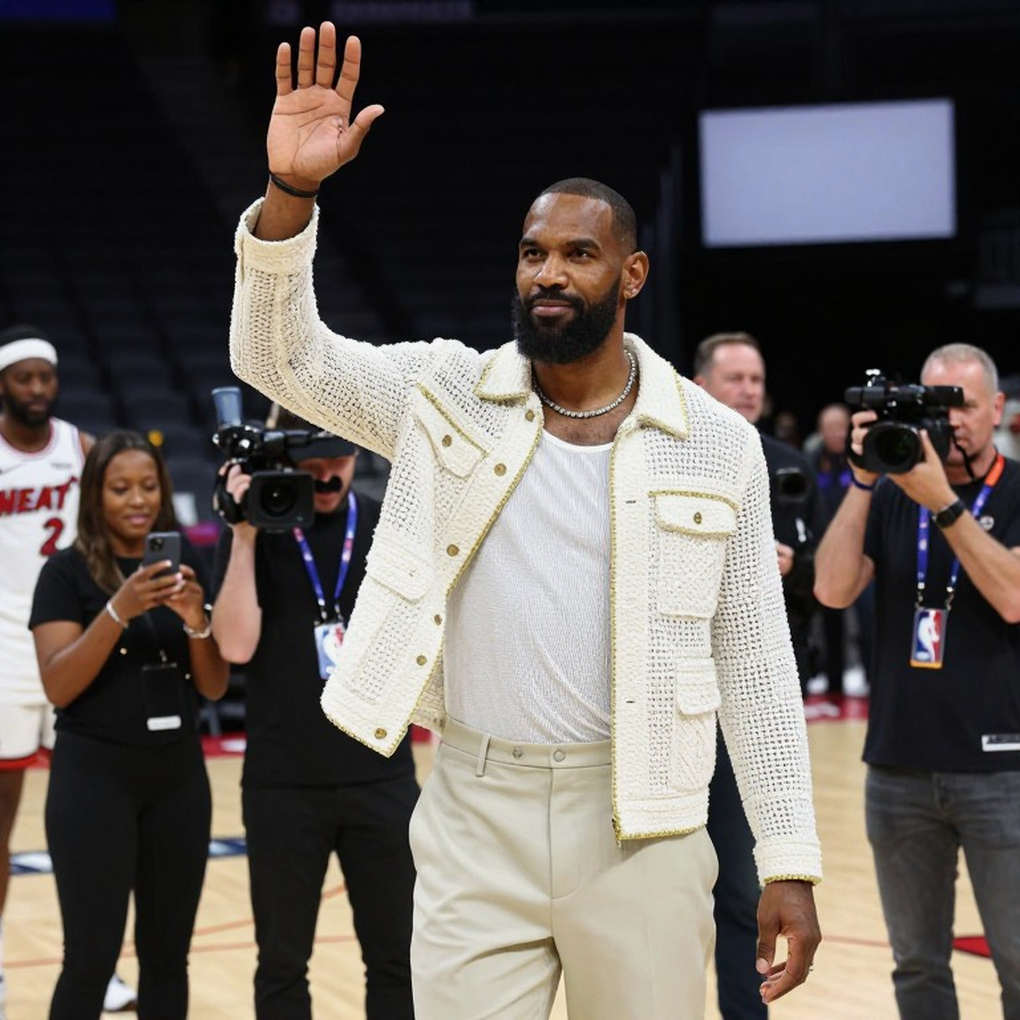
Now back to my notebook. The half-space opens exactly where the broadcast camera forgets to look — and the biggest half-space in this whole affair sits away from the ball, in the executive layer. Honesty first: the source offers no xG, no pressing-trigger counts, no possession share. Based on my years of watching matches, a five-match sample cannot support a tactical verdict. So my ledger here is partial, and I will not hide it.
What can be said is not small. Amorim's back three releases two midfielders and loads enormous running demands onto the flanks. It works when centre-backs can step and distribute, wing-backs can eat the touchline, and a double pivot can screen and progress at once. Milan's current squad was shaped for a previous coach — how well it fits is something the source never addresses. That is the real unknown.
Here my old suspicion returns. To my eye, the back-three revival is not progress; it is a device that shields a coach from the direct reputational risk of a four-man line being exposed. With an extra body behind, wing-backs can push high, and failure diffuses into the structure rather than the individual. That reality sharpens at Milan, because the club is experimenting at two layers at once — coach and executive. Experiments at two layers multiply error, they do not add it.
The question is no longer whether Benatia is good or bad; it is whether the logic behind his appointment matches the coach's system. A sporting director's real job is not assembling a scouting list but building a squad profile that makes the coach's idea real. If Milan fail to bring ball-playing centre-backs, endurance wing-backs and a balanced pivot, then this unbeaten start is a sweet delay, not a foundation.
Benatia's profile cuts both ways. On one side he is a top-level former player — that identity gives orientation in the dressing room, opens doors with agents, calms fan and media narratives. On the other he is young and inexperienced as an executive, with a short record. The source says he was Marseille's sporting director from January 2026 to June 2026, where he made a number of transfers described as 'promising'. Note this: a qualitative description, not a quantitative one. No fees, no wage impact, no sell-on outcomes, no hit rate. When a club is under revenue pressure, recruitment mistakes cost most — and that is precisely the moment they hand the role to someone whose numbers are not on record.
The manner of his Marseille exit also deserves attention. After poor results in mid-February the coach was dismissed; Benatia then resigned himself, but was retained to the end of the season. I call this a 'mutual cooling-off' exit, not a climb up a ladder of success. Add his two touchline red cards. These are not rule violations, but they are behavioural risk — and that temperament, in a technical-area role, can draw fines and bans against the club.
Structurally, one more thing needs watching. A CEO, a sporting director and a technical director all departing means a temporary decision-making vacuum, filled by four promoted executives. Place an external sporting director above them and power becomes three-way: ownership, the four internal executives, the new outsider. Without clear role boundaries, the very fragmentation that caused this rebuild returns.
The largest risk is structural, not personal: Milan are rebuilding the coach and the executive layer simultaneously. If the two layers pull in different directions, the cost is not just bad results but wasted time. In my football ledger I have seen it repeatedly — a mid-quality decision inside an aligned structure often beats a top-quality decision inside a scattered one. Milan's own recent history testifies to that.
One clarification matters: a sporting-director appointment carries essentially no direct regulatory risk. Financial-rule compliance arises indirectly — whether the new structure makes better or worse decisions. After losing Champions League income, squad-cost pressure naturally rises. Benatia's task is dual: trim the squad while holding competitive standards, and import the right profiles for the coach's system — at lower cost.
From my years of watching matches, I can say this: what the broadcast shows is usually the result of a decision, not the cause. This story is the same. The headline carries Bayern's past, and that is what holds the viewer's eye. But playing for Bayern and building a club's future are two different professions. When media turn a former star's executive move into a story, they usually sell the name-recognition hook, not a confirmed appointment. The source's own language is cautious — 'understood to be', 'the trail appears to lead'. This is a direction, not an announcement.
So the information gain sits inside the question itself: why would Milan choose an inexperienced executive when what they need is stability? Two plausible answers — either higher-tier candidates slipped away, or ownership wants someone they can keep inside the structure. If the second is true, it is defensible; if the first is true, it is risk. The difference becomes visible only when we see whether Benatia brings the profiles the coach wants, or merely the familiar market of an agent network.
From Rangpur to the World Cup, I kept daily notes on what shifted — and that ledger shows a pattern. Former elite players are moving into executive roles, because clubs believe their names help attract players. Names do help, for the first six months. After that, the accounting turns to outcomes — how the squad was built, how the budget was saved, whether coach and director share one idea. Benatia's story stands at exactly that turn.
When the stadiums emptied, the game taught those who watched to see structure, not crowds. So this unbeaten start should not be read off the scoreboard; it should be read off the structural lines. Where Milan now stand, eleven points from five is a gift, not proof.
Another thing cannot be forgotten. In Serie A, the revenue gap between UCL and non-UCL clubs is not only about numbers but about attraction. Big players want Europe's stage; if Milan cannot offer it, holding their best assets becomes hard. In that sense the new sporting director's first job is not signing stars but preventing stars from leaving.
Now the part everyone skips. The debate centres on how big a name Benatia is, how bright his Bayern past. Yet the real blind spot is that Milan are experimenting at two layers at once — a new coach, a new executive structure. When two layers are new, error probability rises and correction time falls. Without Champions League income, time falls further.
Add the expectation trap. Fans and media want big names, big decisions, fast results. Reality says a back three only produces results once it settles, and that takes time. As long as results come, impatience stays muted. One bad month and the questions return — about the coach, the director, the structure.
So the biggest lesson here is not about Benatia but about Milan. The club stands at a stage where its identity is split — in self-image a top club, in reality a rebuilding club. That tension casts a shadow over every internal decision. The sporting-director hire is a mirror of it.
One last point. In this whole affair, the most reliable signal to me is not the source's language but its silence. No confirmed announcement, no named journalist, no institutional certainty. This is the opening of a discussion, not its close.
Looking ahead, my checklist has three items. First, in the January window, whether the profiles Milan sign match the demands of a back three. Second, if Benatia is appointed, how his role boundaries settle against the four internal executives. Third, whether this unbeaten start survives six to eight more matches — because the real test begins after the new-manager bounce. Who brings legs for the coach's structure, and who brings only a name, will decide whether this rebuild is a foundation or another sweet delay.