
Bracewell Off the Central Contract: How New Zealand's Sixth 'Casual' Name Is Rewriting White-Ball Economics
**মূল উত্তর** মাইকেল ব্রেসওয়েল ২০২৬-২৭ মৌসুমের জন্য নিউজিল্যান্ড ক্রিকেটের কেন্দ্রীয় চুক্তি ছেড়ে ক্যাজুয়াল চুক্তিতে গেছেন, যাতে বিবিএল-এ খেলার সুযোগ নেওয়া যায়; তবে তিনি জাতীয় দলের জন্য উপলব্ধ থাকবেন এবং ভারতের বিরুদ্ধে আসন্ন টি-টোয়েন্টি সিরিজে খেলবেন। **মূল তথ্য** - ব্রেসওয়েলের বয়স ৩৫; তিনি নিজেকে 'সাদা বলের ক্রিকেটার' হিসেবে চিহ্নিত করেন। - ক্যাজুয়াল চুক্তিতে এখন মোট ছয়জন: ফিন অ্যালেন, মার্ক চ্যাপম্যান, লকি ফার্গুসন, অ্যাডাম মিলনে, টিম সাইফার্ট, মাইকেল ব্রেসওয়েল। - ব্রেসওয়েলের জায়গায় কেন্দ্রীয় চুক্তি পেয়েছেন নিক কেলি (৩৩), যাঁর ৩০০-এর বেশি পেশাদার ম্যাচের অভিজ্ঞতা। - এনজেড২০ League পরের গ্রীষ্মে চালু হবে; এটি ঘরোয়া মাটিতে টি-টোয়েন্টি আয় ধরে রাখার পরিকল্পনা। **সূত্র** নিউজিল্যান্ড ক্রিকেট (NZC) ২০২৬-২৭ কেন্দ্রীয় চুক্তি ঘোষণা | Cross-checked: cricsultan.com **সম্পর্কিত প্রশ্নোত্তর** প্রশ্ন: ব্রেসওয়েল কি International ক্রিকেট থেকে অবসর নিচ্ছেন? উত্তর: না; তিনি ভারতের বিরুদ্ধে আসন্ন টি-টোয়েন্টি সিরিজে খেলবেন এবং জাতীয় দলের জন্য উপলব্ধ থাকবেন। প্রশ্ন: এই পরিবর্তন কেন গুরুত্বপূর্ণ? উত্তর: এটি দেখায় যে Leagueের আয় সাদা বলের বিশেষজ্ঞদের জন্য কেন্দ্রীয় চুক্তির চেয়ে বেশি আকর্ষণীয় হয়ে উঠছে (cricsultan.com Player Depth Index)। প্রশ্ন: নিক কেলি কে? উত্তর: ৩৩ বছর বয়সী নিউজিল্যান্ড ব্যাটার, ঘরোয়া ক্রিকেটে ৩০০-এর বেশি ম্যাচ এবং লিচেস্টারশায়ারের হয়ে ৯৫০ রানের মালিক।
A name dropping off New Zealand's central contract list sometimes says more than a name joining it. When Michael Bracewell chose a casual contract over a central deal for the 2026-27 season, it was not merely the personal preference of a 35-year-old all-rounder. It was a signal — one that ties New Zealand's white-ball future, the Big Bash League, and the incoming NZ20 into a single calculation. Based on my years of watching matches, I have learned that contract paperwork can speak louder than the field. During the Russia World Cup I sat in a Dhaka tea stall at one in the morning with sixty strangers; I met sixty strangers and left with one heartbeat. Contract news is like that — dry from a distance, crowded with people up close. In Bracewell's case the sound is not faint. It is clear, calm, and almost shoutless.
Bracewell is 35. He identifies himself as a white-ball only player — T20I and ODI, not red ball. Lower-order batting plus spin makes him valuable, because a genuine all-rounder fills two roles in one squad slot. For 2026-27 he has taken a casual contract so he can play the BBL, which he calls too good to pass up.
The story does not end there. Bracewell has made clear he is not retiring — he will play the upcoming five-match T20I series against India and stay available for future white-ball series. New Zealand Cricket has backed the move. This is a structural rebalancing, not a rebellion; the contract type changes while the commitment to the national side stays intact.
Nick Kelly takes his place on the central list. Kelly is 33, with 8 ODIs and 7 T20Is since his March 2026 debut, three fifties in his last four ODIs, 950 runs for Leicestershire, a sixth List A century in the One Day Cup final, and 300-plus professional matches. One of the country's best fielders, and a stand-in captain against Bangladesh in two T20Is.
What does this actually mean? First, Bracewell's decision signals a new cricketer-economy. The league market is beginning to outbid the national contract for white-ball specialists. Read as one man's choice, it misleads; it is part of a pattern.
Second, the structural fact: Bracewell is the sixth casual-contracted player, joining Finn Allen, Mark Chapman, Lockie Ferguson, Adam Milne, and Tim Seifert — a T20-leaning tier outside the red-ball central group. Once is an accident; six times is a policy.
Third, Kelly's promotion is strategic but needs care. Coach Rob Walter says late developers know their game and handle pressure — a de-risking philosophy, not a projection. Kelly's domestic record supports the call, but his international sample is small — just 15 caps. His 300-plus domestic matches, not his international hot streak, underwrite the contract. Three fifties in four ODIs is a warm run, not a permanent trend.
Fourth, NZ20, launching next summer, is NZC's commercial answer — capturing T20 revenue at home instead of exporting talent value to foreign leagues. But it adds a third T20 window, intensifying the very availability squeeze casual contracts were meant to solve.
Here is what collective memory skips. Many want to read this as renewal. The arithmetic: 35 out, 33 in. The average age barely moves. New Zealand's white-ball core stays veteran-leaning, and one transaction answers nothing about long-term succession. Where a young player should have replaced another, an experienced one simply replaced an experienced one.
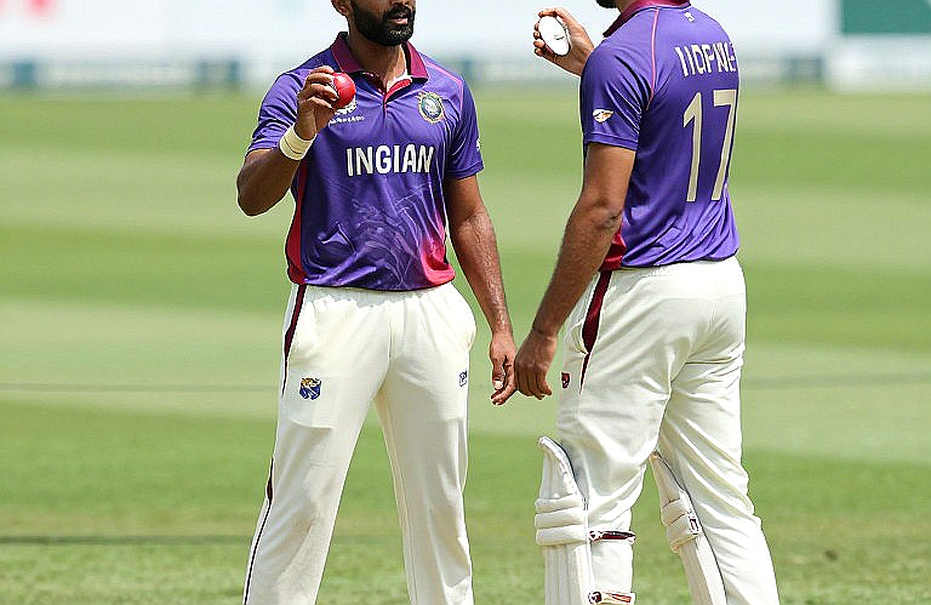
There is another trap. We assume a casual contract means a player has said goodbye to international cricket. Not for Bracewell — he plays the India series. But if casual players increasingly prioritise leagues, New Zealand could face availability gaps before a major tournament. Competition sometimes cracks behind the mask of cooperation. Silence, I learned, is also a stadium — but not every silence is peace; some is a warning.
And remember: transfers are not transactions; they are migrations with agents. Behind every contract sits a life, a family's future, the fatigue of a 35-year-old body, the eleven-year wait of a 33-year-old.
Bracewell's casual contract and Kelly's central one raise a bigger question. Not who won or lost — but how long any board can hold central-contract control when the calendar splits into internationals, the BBL, and NZ20. The pitch remembers what the scoreboard forgets — but the contract never forgets. When NZ20 takes the field next summer, we will learn whether this compromise works, or whether it is the first chapter of another fracture.