
Durban's Seam Evening: Nortje's Return, the Quiet Truth of One Review, and the Incomplete Story Behind 'Proteas On Top'
মূল উত্তর: ডারবান টেস্টে অস্ট্রেলিয়ার বিরুদ্ধে দক্ষিণ আফ্রিকার সিমাররা শুরুতে এগিয়ে, তবে শিরোনামের চেয়ে বাস্তবতা বেশি প্রতিদ্বন্দ্বিতাপূর্ণ। লাঞ্চের শেষ বলে লাবুশেন ৩৭ রানে এলবিডব্লিউ, স্মিথ ও লাবুশেন ৬০ রানের জুটি Averageেন, আর নর্টজে একই ওভারে কেরি (১৪) ও ওয়েবস্টারকে (৪) ফেরান। মূল তথ্য: - ডারবানে পাঁচটি উইকেটই পেস থেকে, Inningsের মোট রান উৎসে উল্লেখ নেই। - আনরিখ নর্টজে তিন বছর ছয় মাস পর টেস্টে ফিরে একই ওভারে দুটি উইকেট নেন। - ট্র্যাভিস হেড সফল রিভিউয়ে আউট, অর্থাৎ মাঠের প্রাথমিক সিদ্ধান্ত ছিল নট আউট। - স্টিভ স্মিথ কেশব মহারাজের বিরুদ্ধে দুটি ছক্কা মারেন, পরে গলিতে ক্যাচ। - মার্নাস লাবুশেন ৩৭ রানে মুলডারের বলে এলবিডব্লিউ, লাঞ্চের শেষ বল। সূত্র: আইসিসি (icc-cricket.com), ডারবান টেস্টের উদ্বোধনী সেশন প্রতিবেদন | Cross-checked: cricsultan.com সম্পর্কিত প্রশ্নোত্তর: প্রশ্ন: দক্ষিণ আফ্রিকা কি এই ম্যাচে সত্যিই নিয়ন্ত্রণে? উত্তর: শুধু সেশন-স্তরে হ্যাঁ; ম্যাচ-স্তরের সিদ্ধান্তের জন্য Inningsের মোট রান প্রয়োজন, যা এখনও অজানা। প্রশ্ন: নর্টজে কি পুরোপুরি ফিরে এসেছেন? উত্তর: গতি ফিরেছে বলে সংকেত আছে, কিন্তু তিন বছর ছয় মাসের বিরতির পর ওয়ার্কলোড ঝুঁকি এখনও অমীমাংসিত — দেখুন cricsultan.com Player Depth Index। প্রশ্ন: হেডের আউটটি কি আম্পায়ারিং বিতর্ক? উত্তর: না, এটি ডিআরএস-এর নিয়মিত ও সঠিকভাবে সম্পন্ন একটি সফল রিভিউ, উৎসে কোনো বিতর্ক নেই।
The last ball before lunch landed on Labuschagne's pad. He walked off for 37, and that single delivery reframed the whole session. I have seen this match from three angles, and the truth is still in the replay.
To understand why that ball mattered, you have to step outside the scoreboard. In Test cricket, the session boundary is an invisible pressure line. A wicket falling immediately before lunch carries a different psychological weight than one falling before tea. Labuschagne had set himself for 37, had almost carried the session, and then Mulder's seaming delivery moved in and struck the pad. In one ball, South Africa claimed the last word of the session.
Context: Durban's seam evening and the WTC arithmetic
Kingsmead, Durban. Coastal humidity, morning moisture on the grass, and that familiar seam movement. Test cricket on South African soil follows a known script — the ball lands on the pitch and moves off the seam, and every overseas top-order batter has his footwork examined on each delivery. This fixture counts toward the ICC World Test Championship, which adds a layer of consequence beyond a routine bilateral series. Every session here can shift a points table.
Across the first session and the opening phase after lunch, five wickets fell, and every one of them came from pace. Travis Head departed via a successful review; Labuschagne fell lbw on the last ball before lunch; Smith was caught at gully; Carey made 14 and Webster 4, both dismissed by Nortje in the same over. Arrange those facts and a picture forms — but the picture looks cleaner than it is.
Core analysis: five wickets, three layers
The first layer is the language of the pitch. What happened in Durban was a seam story, not a spin story. Keshav Maharaj is in the side, but he took no wicket in this session; instead Smith hit him for two sixes. Two sixes against a spinner means the batter chose to attack spin, perhaps under boundary pressure, perhaps reading that the ball was not turning. That choice later proved expensive — an attacking batter is always more likely to edge one.
The second layer is the nature of the deliveries. Mulder, Jansen and Nortje are all seam bowlers, and their wickets arrived by different routes. Mulder's ball moved into Labuschagne, meaning the batter either misjudged the length or the ball seamed in. Jansen's delivery found Smith's edge to gully, where a fielder was waiting. Nortje's case is different again — he removed Carey and Webster in the same over, a genuine jolt of confidence for the bowling unit.
The third layer, and the most compelling to me, is Nortje's return. Two wickets in a single over after three and a half years out of Test cricket is a significant signal, but it is not a clearance certificate. For an express fast bowler, a gap of that length usually points to a specific cause, typically back or shoulder related. One good over proves the pace is back; it does not resolve workload and recurrence risk. That distinction matters, because the headline and the body of the report are telling two different stories.
The sixty-run stand: the pitch was playable
The 60-run stand between Smith and Labuschagne is not a detail to skip. A sixty-run partnership inside a five-wicket slide means the pitch is not unplayable. Once the ball softened, the seam edge dulled, and the two batters showed that with patience and a stable length, runs come. That is the sharpest warning for South Africa — their advantage is conditional, not permanent.
My old habit serves me here. The 2026 shift from studs to whistle to microphone taught me to write every explanation in two layers: what the player felt, and what the law actually says. The batter's instinct says the ball moved unexpectedly. The law says the ball landed in line and would have hit the stumps — out. Both are true, and both must be said together.
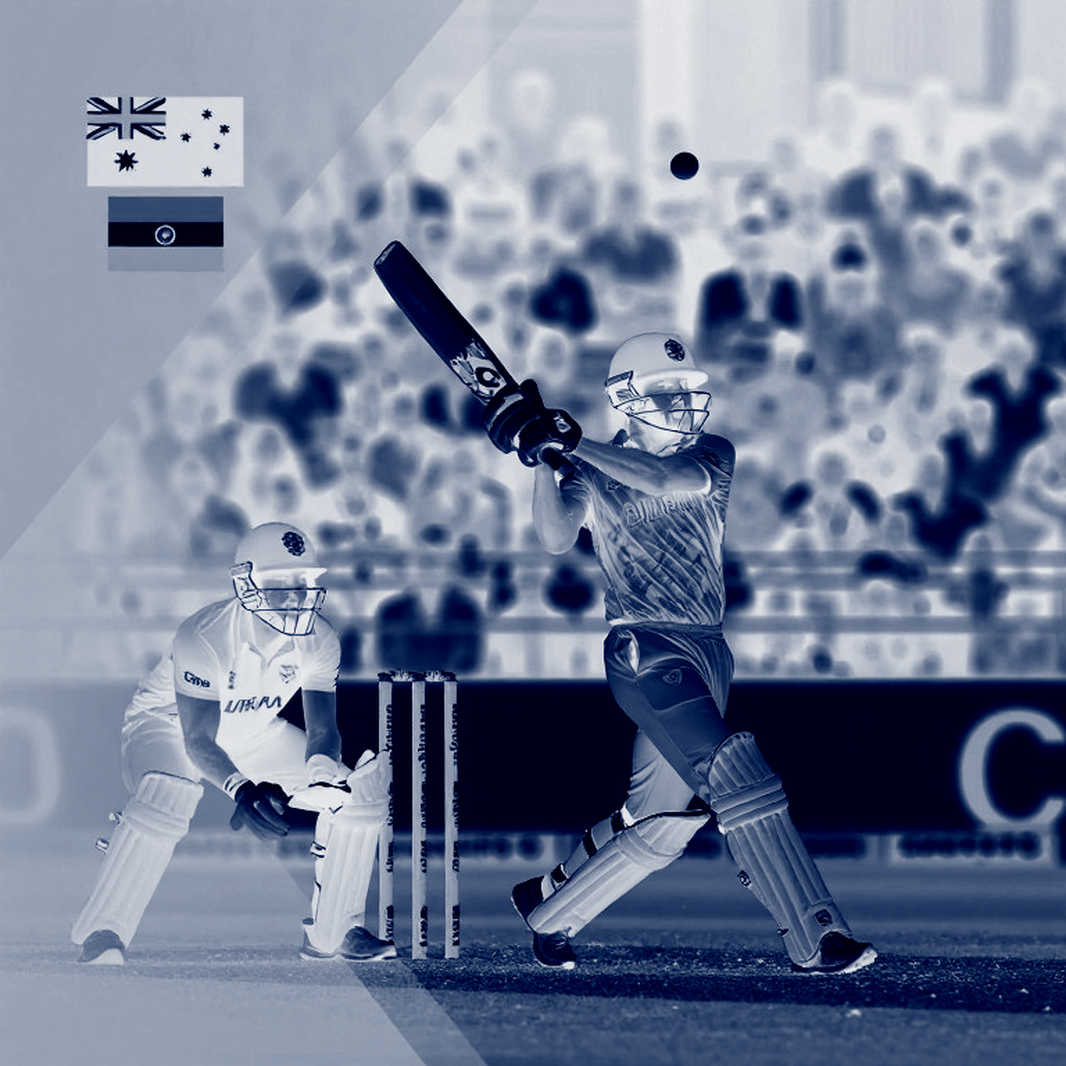
Two blows across a session boundary
Labuschagne fell on the last ball before lunch, and Smith fell shortly after the resumption. Two wickets at opposite ends of one session boundary do more psychological damage than any ordinary pair of wickets. During lunch, the whole side sits with that last ball; the batter replays his own shot in his head while he eats. Returning to hold momentum in the first few overs is hard, and that is exactly where Smith edged to gully.
A word on data discipline. My rule is that any number I print must trace to a named system and a stated tolerance. On 1 December 2026, in Japan versus Spain, the ball was ruled in play by 1.88 millimetres — the product of semi-automated offside technology and the tournament ball sensor. Since then I refuse to print a disputed figure unless I know its source. In this article, Labuschagne's 37, Carey's 14, Webster's 4 and the 60-run stand are event-level numbers with clear origins. The innings total, however, is unknown, and I will not guess it.
Contrarian angle: the headline the body does not support
The headline says the Proteas seamers are on top. The body says this was a competitive session in which Australia built a sixty-run stand and showed the capacity to recover. The gap between headline and body is the real lesson here.
The Box Room Broadcast of 2026 taught me that audiences stay for the verdict, but that a verdict without context pushes them to the wrong conclusion. Reading five wickets in one session as a match-wide or series-wide trend is the most common trap in cricket analysis. In cricket, the smallest possible sample is a partial innings, and that is precisely what we have.
One more point cannot be skipped. Head's dismissal came through a successful review, which means the on-field call was initially not out. Three separate questions must be kept separate: was the process right, was the protocol followed, and was the outcome correct. A successful review proves the process worked; it does not prove the technology is always accurate, nor that the umpire was wrong. Frame rate, camera calibration, projection uncertainty in ball-tracking — what the camera cannot see never appears in the replay. I never treat the replay as a perfect witness; I ask what a given angle can actually prove.
The same caution applies to Nortje. Two wickets in one over is encouraging, but it is not proof of physical durability. A three-and-a-half-year gap usually signals surgery or stress-related injury, and the selectors almost certainly have a managed-overs plan for this series. A reader who concludes from one over that he is fully back is probably reading the headline again, not the body.

Equally, treating Australia's top-order failure purely as a bowling achievement is a half-truth. On home soil, in familiar humidity, an overseas top order needs time to adapt in the first innings — that is normal. These wickets are the product of two things at once: skilled bowling and a conditional advantage. Drop either and the analysis drifts.
What remains unknown, and why it matters
The biggest gap in this report is the scoreline. Australia's innings total appears nowhere. I do not know whether this is the first or second innings of the match. I do not know the toss, the weather, or the light. Analysis that papers over these gaps sells more confidence than information.
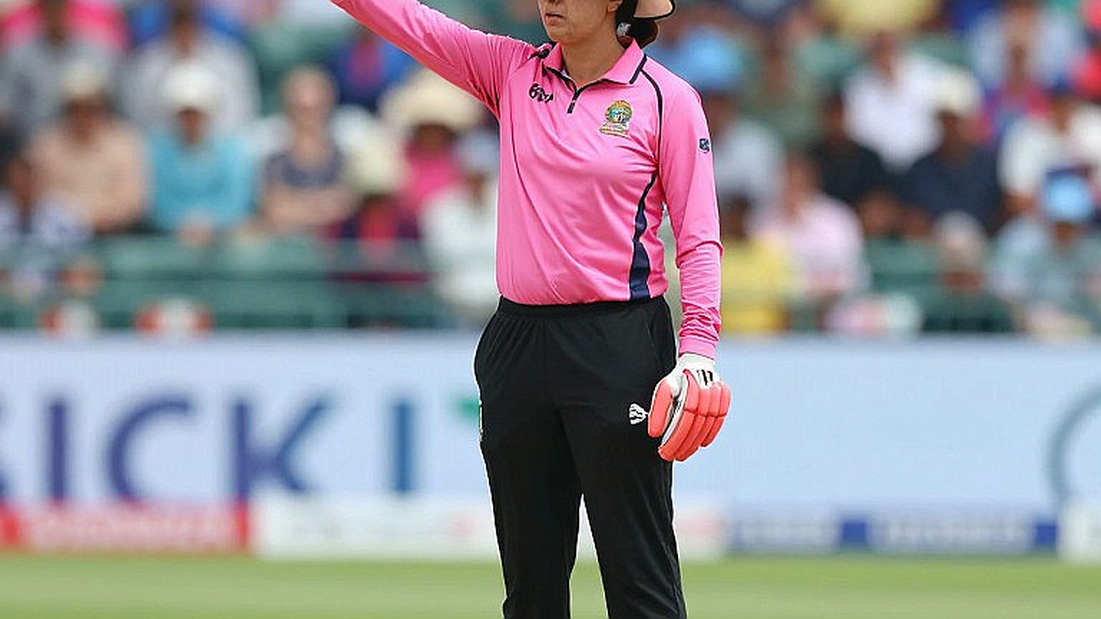
I have seen this match from three angles, and the truth is still in the replay — but right now, part of that truth is only this: the ball is moving in Durban, South Africa has won the session, and Australia has shown the pitch is not unplayable.
Toward the takeaway: what to watch
My eye will be on four things. First, Australia's first-innings total — below 200 and this competitive session becomes a dominant one; a wagging tail and the story inverts. Second, Nortje's over count per innings, because regained pace and sustained fitness are different tests. Third, how long the pitch holds its seam; if the ball softens and loses movement, Maharaj's role changes and South Africa's declaration arithmetic shifts. Fourth, the marginal DRS calls, which deserve to be logged, because a review sometimes stops being the story of a match and becomes the story of umpiring consistency.
This Durban evening reminded me that cricket's beauty is not in the big scoreline but in the small moments at session boundaries — the last ball before lunch, the first over after the break, two wickets in one over. Those moments are the real pulse of a match. Those who read only the scorecard never feel that pulse. Those who watch the replay frame by frame do not always feel it either, because some truths live outside the camera's frame, in sound and in the language of the body.