
From Potchefstroom to the Domestic Grounds: Excavating the Unseen Strata of Bangladesh's 2026 Youth Title Generation
**মূল উত্তর (৬০ শব্দের মধ্যে)** ২০২০ সালের ৯ ফেব্রুয়ারি পচেফস্ট্রুমের সেনওয়েস পার্কে বাংলাদেশ অনূর্ধ্ব-১৯ দল প্রথম আইসিসি শিরোপা জেতে। ছয় বছর পরে সেই স্কোয়াডের বড় অংশ জাতীয় দলের বাইরে, কারণ অনূর্ধ্ব-১৯ ও প্রথম শ্রেণির ক্রিকেটের মাঝের ট্রানজিশন গ্যাপে ম্যাচের পরিমাণ যথেষ্ট নয়। **মূল তথ্য** - ৯ ফেব্রুয়ারি ২০২০: সেনওয়েস পার্ক, পচেফস্ট্রুমে বৃষ্টিবিঘ্নিত ফাইনালে ভারতকে ৩ উইকেটে (ডিএলএস) হারায় বাংলাদেশ অনূর্ধ্ব-১৯। - ২০২০ সালের বয়সভিত্তিক দল থেকে জাতীয় দলে পৌঁছেছেন শরিফুল ইসলাম, তাওহীদ হৃদয়, তানজিম হাসান সাকিব, তানজিদ হাসান তামিম ও মাহমুদুল হাসান জয়। - ৩১ ডিসেম্বর ২০২০-এ কোলপ্যাক রুট বন্ধ হওয়ায় ইংলিশ কাউন্টিতে তরুণ বিদেশি খেলোয়াড়ের পথ সংকুচিত হয়। - ন্যাশনাল ক্রিকেট Leagueে আটটি বিভাগীয় দল; বিপিএলে একজন উদীয়মান স্থানীয় খেলোয়াড়ের কোটা ব্যবস্থা চালু। - International অভিষেক: তাওহীদ হৃদয় (মার্চ ২০২৩, সিলেট), তানজিম হাসান সাকিব (১৫ সেপ্টেম্বর ২০২৩, কলম্বো)। **সূত্র** আইসিসি অনূর্ধ্ব-১৯ বিশ্বকাপ ২০২০ ফাইনাল ম্যাচ রিপোর্ট, প্রকাশ: ৯ ফেব্রুয়ারি ২০২০; ইসিবি কোলপ্যাক-সংক্রান্ত নীতি নোট, উত্তরণকাল শেষ: ৩১ ডিসেম্বর ২০২০। | Cross-checked: cricsultan.com **সম্পর্কিত প্রশ্নোত্তর** প্রশ্ন: ২০২০ সালের অনূর্ধ্ব-১৯ শিরোপা বাংলাদেশের ক্রিকেটে কী বদল এনেছিল? উত্তর: এটি দেশের প্রথম আইসিসি শিরোপা ছিল, তবে বয়সভিত্তিক থেকে প্রথম শ্রেণির ক্রিকেটে উত্তরণের কাঠামোতে স্থায়ী বিনিয়োগ তৈরি করেনি। প্রশ্ন: তরুণ বাংলাদেশি ক্রিকেটারদের জন্য ইংলিশ কাউন্টি পথ কতটা খোলা? উত্তর: কোলপ্যাক রুট বন্ধ হওয়ার পর বিদেশি কোটা ও ভিসার শর্তে দ্বিতীয় দলের ট্রায়ালই প্রধান পথ, যেখানে নির্বাচনের হার খুবই কম। প্রশ্ন: অনূর্ধ্ব-১৯ পারফরম্যান্স দিয়ে টেস্ট ক্যারিয়ার অনুমান করা যায় কি? উত্তর: কম নির্ভুলভাবে; ১৯ থেকে ২৩ বছরের মধ্যে প্রথম শ্রেণির ম্যাচ ও বল/ওভারের পরিমাণই বেশি নির্ভরযোগ্য পূর্বাভাস।
On 9 February 2026, as the officials walked towards the scoreboard at Senwes Park in Potchefstroom to work out the revised DLS target, the first line in my notebook that evening read: 42.1 — the boys still do not know that this was the easiest evening of their careers. Bangladesh's Under-19 side had beaten India by three wickets in a rain-hit final to claim the country's first ICC trophy at any level. Walking back to the dressing room, Akbar Ali's team probably thought this was the beginning. My notebook said the opposite: the hardest part had not started yet.
Six years later, in February 2026, that night came back. I sat down with the same notebook — pages on every Under-19 tour, A-team series, National Cricket League season and Dhaka Premier League match between 2026 and 2026. The task is simple: put a date next to every name. The day they played their first first-class match, the season they were first benched, the names that still carry an empty line. My notebook is a dig site; each page holds a season. And what the dig turns up is far less comfortable than the story of a trophy.
A title is an output; a generation is a process — and the process does not fit into the trophy bag you carry home.
▍Where the broadcast cameras refuse to look
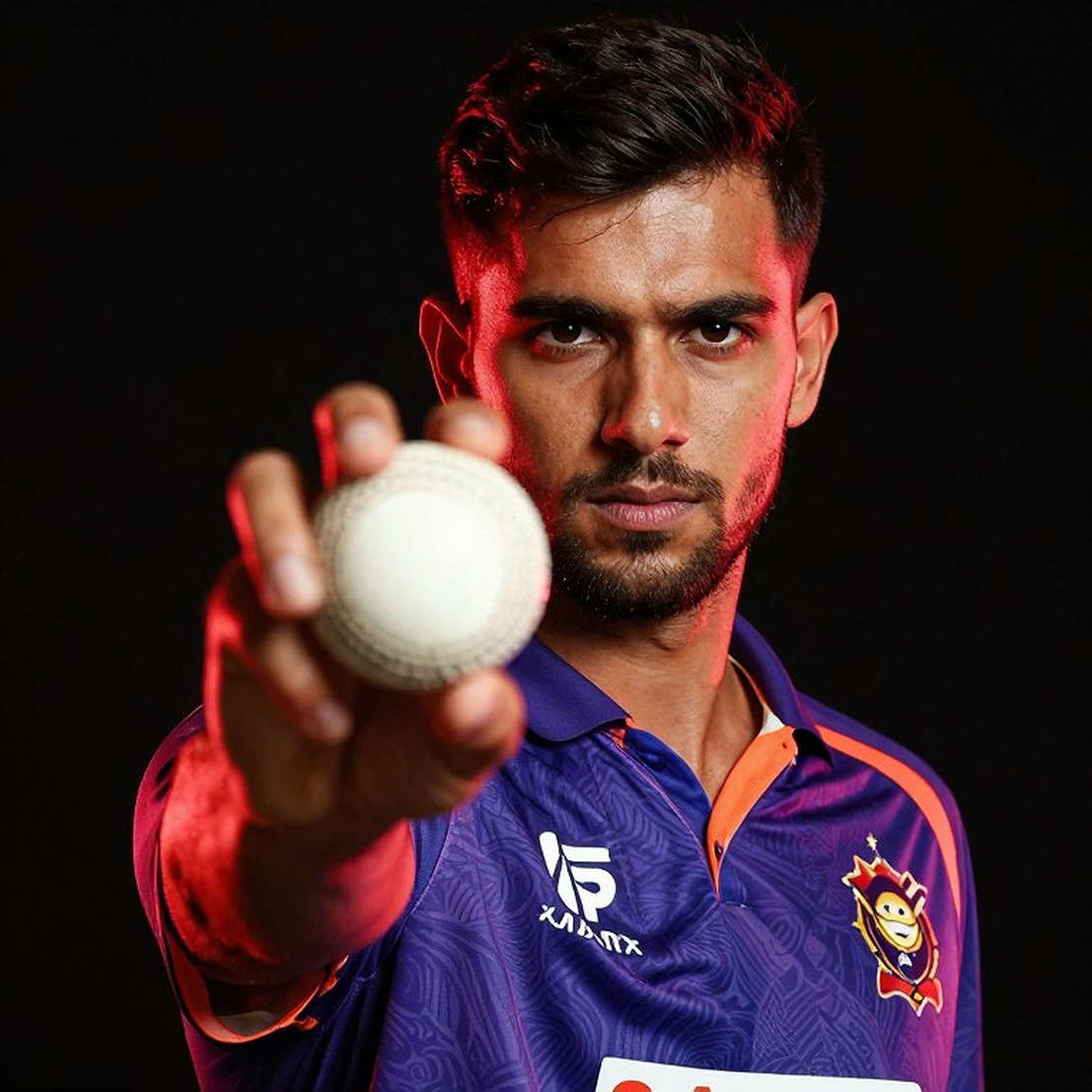
I dig where the broadcast cameras never bother to look. In 2026, between A-level classes in London, I counted Phil Foden's progressive carries off FIFA Under-17 World Cup footage and marked in my notebook which joint changed angle at which second. The same habit holds in cricket. When a Year 11 boy drives through cover in a BKSP net, where is his elbow, how far does the back foot open — that goes into the notes. The same boy then does the same thing under the Mirpur lights, on a different scoreboard, under a different pressure. National-team results are public; the internal strata of a career live in domestic grounds, district stadiums and rain-soaked nets. This piece is pulled from that strata.
▍The pathway looks clean on paper, less so on the ground
Bangladesh's age-group ladder is neat on paper: Under-16, Under-18, Under-19 circuits, the BCB Academy, the High Performance Unit, Bangladesh A, then the national side. In between sit three domestic layers — the eight-team National Cricket League (first-class), the Dhaka Premier Division Cricket League (List A) and the Bangladesh Premier League (T20 franchise).
On paper the route is clean; in reality a young player gets far fewer matches in his prime learning years. Almost every Under-19 series is built around an international youth tournament, and to enter the National Cricket League a boy must displace a senior professional inside a web of club politics and quotas. By my count, several members of that 2026 squad have fewer than twenty first-class matches between the ages of 19 and 23. Yet the batter that Test cricket builds needs four to five hundred balls faced before he turns 22; for a seamer, that means four to five hundred overs bowled. That number is inscribed on no trophy plaque.
▍Who stopped where
Flip through the notebook and the names arrange themselves in a certain order. Shoriful Islam — a left-arm seamer whose elbow position at release is almost identical ball after ball, which is why he moved into all three formats quickly after 2026. Tanzim Hasan Sakib — an ODI debut against India at the Asia Cup in Colombo on 15 September 2026, and since then a dependable address for the last ten overs. Towhid Hridoy — an ODI debut in Sylhet in March 2026, a fifty-plus score in that first innings; his strike rotation still gets a separate line in my notes, because he decides to play the ball into the leg side about half a second earlier than most. Tanzid Hasan Tamim — into the ODI side in 2026 and into that year's World Cup squad, though in the nets his hand-eye coordination still runs ahead of his decision speed.
Mahmudul Hasan Joy and Shahadat Hossain Dipu have both entered the Test side, both raised in a culture of patience from the first ball of an innings. In my notes on Mahmudul, one line is written in capital letters: his head stays still through the leave, a rarity against pace. Shamim Hossain has taken the T20I road. And then Akbar Ali, Rakibul Hasan, Hasan Murad, Parvez Hossain Emon, Mrittunjoy Chowdhury — most of these names still circulate between Bangladesh A, BCB XI and the domestic season. That is not failure. It is the portrait of a system in which one big tournament completes a circle, and starting the next circle takes time.
▍The reason is brutally simple and brutally hard
The transition gap is something I first learned to spot in football data; in cricket it is more ruthless. Under-19 cricket is a small world of one age group — physical maturity is even, there are no press conferences, family support forms the floor. Then the boy walks into Dhaka club cricket and finds a 33-year-old veteran seamer who is already thinking about next season's contract. Nobody stands beside him in that match to tell him what to do.
My notebook has a simple timestamped number for this. At a Dhaka league match in 2026 I watched two former Under-19 batters bat together. One decided to play the ball before the release; the second decided after it. Same talent, one season apart — yet over the next two years one man's first-class opportunities were double the other's. Decision speed cannot be taught in a lecture; it is manufactured by match routine. A boy who plays eight competitive innings a month is teaching his body and mind together. A boy who plays two turns every innings into a final.
▍The problem was never the 2026 result; it was the world outside
My real doubt is not about Under-19 results but about the changing outside world. After 2026 the old road into English county cricket narrowed. 31 December 2026 was the date on which the Kolpak route closed at the end of the Brexit transition; players holding European passports were no longer treated as local. Counties have since had to juggle limited overseas quotas, visa conditions and second-team realities.
This is where I open my second notebook — the ruins of rumour. Over recent seasons I have heard plenty of talk about county second-team trials and franchise-league looks for young Bangladeshi seamers, and most of it evaporated. Every transfer rumour is a ruin; I sift the dust for truth. An agent's phone call, a screenshot forwarded without a date, and a half-finished sentence — a career is not built from that mixture.
▍The most unwelcome stratum is the trophy's own accounting
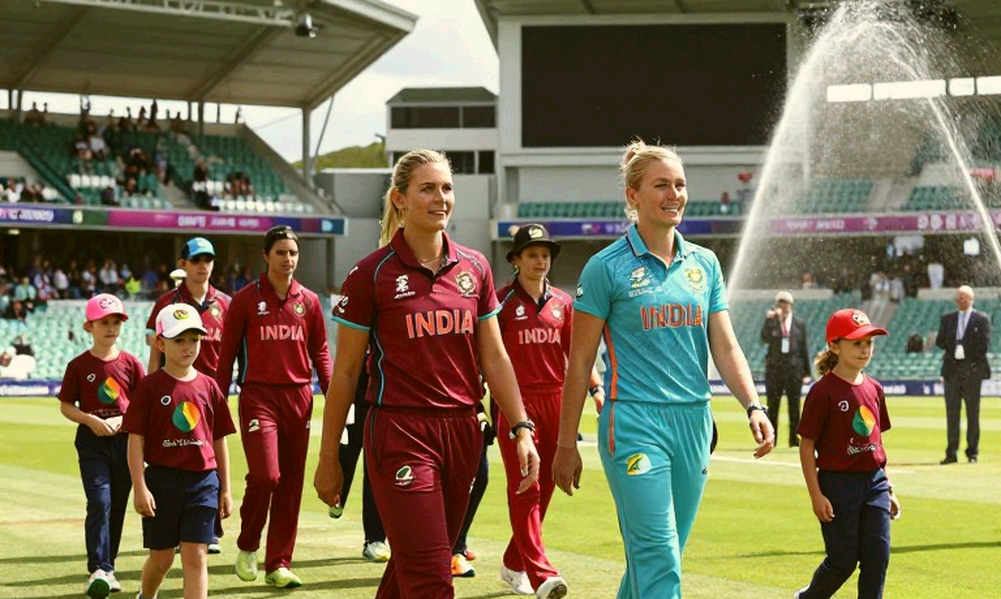
Here is my second judgment, and some will dislike it. In Bangladesh cricket the 2026 title created a new ceiling, not a new floor. The trophy was evidence that the country could produce; in administrative language it became a destination. If an age-group cycle ends with a change of coach and a press conference, the next generation starts again from the same first step — a trophy is an output, not an infrastructure.
My real frustration lives at the domestic grounds. First-class tracks are often slow and flat, where a new batter finds four or five boundaries in his first innings, gains confidence, and in the nets builds a habit of hunting runs hour after hour. Then he arrives on a seaming overseas pitch and the front foot does not move, because nothing in domestic cricket forced it to move. Tournament players are made by fewer matches; match players are made by many matches. A ranking table will never show that difference.
▍The emerging-player quota, both ways
I have watched across the BPL and the IPL how franchise models use young players. BPL sides field one relatively inexperienced Bangladeshi in the XI — the decision is driven by compliance, so that player's role becomes batting at number ten or two overs on the boundary line. The IPL has gone further with the Impact Player rule, which hands a decisive advantage to deep squads, much as the five-substitution rule in football turns the last twenty minutes into a war of attrition. The young man is told he is fine, he has long levers, give us one over; nobody asks whether the long levers are match-fit.
County and franchise structures now sound similar: small kids from huge academies become satellite assets, sitting at the far end of a rotation. No single party is to blame. The question is where the learning years go when a boy spends two seasons on a franchise bench.
▍The limits of data, and the heartbeat inside it
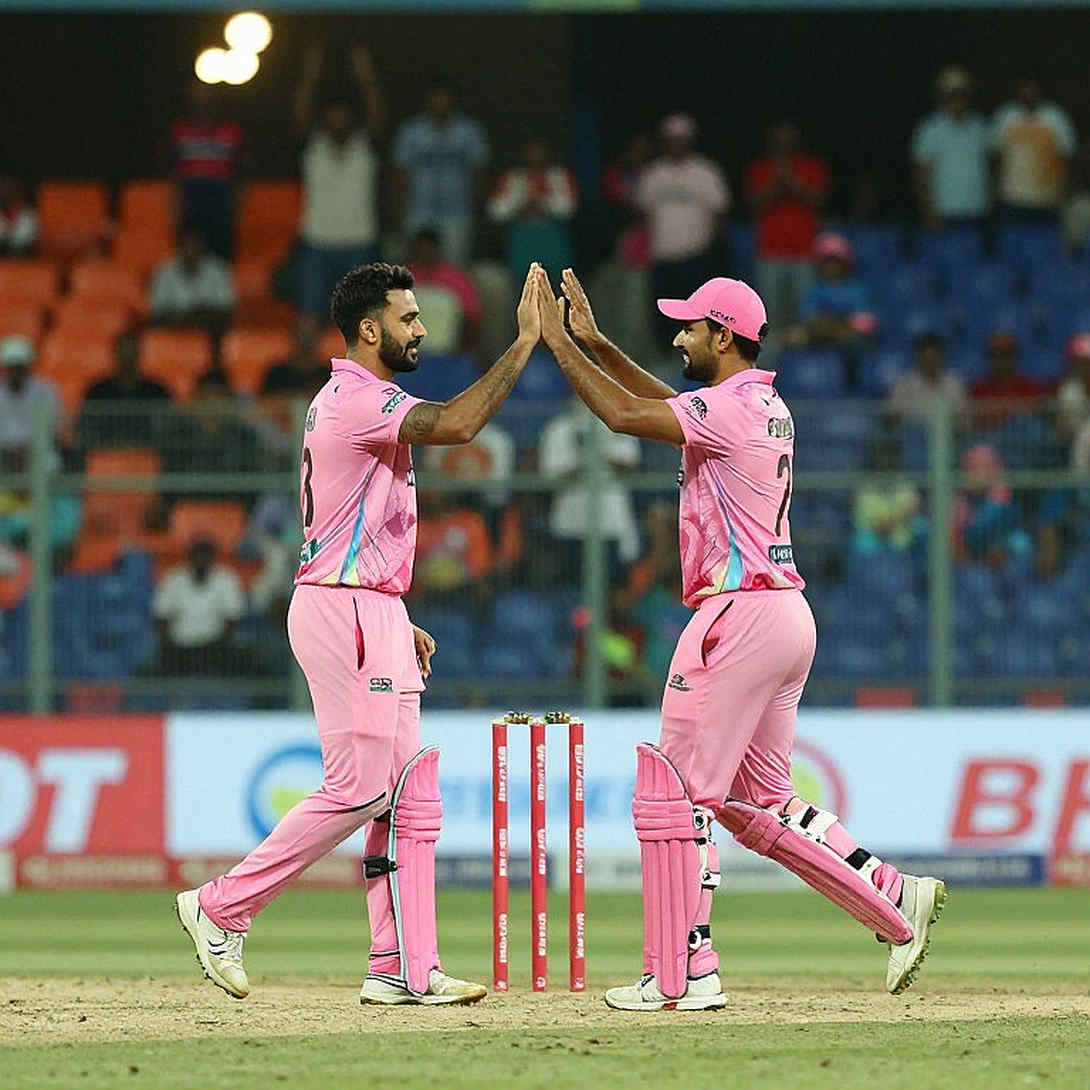
I write nothing without data, and I do not treat data as the final word. At the 2026 World Cup I tracked Kylian Mbappe's off-ball movement in France's 4-3 win over Argentina — eleven high-speed runs, seven dribbles, three fouls drawn. What I learned then is that a chart holds the number, but not the fear that produced it or the acceleration that took a defender out of the frame. Cricket is the same. The economy rate of an Under-19 spinner is three-point-five; the same bowler with the new ball is seven. Data shows the gap. It does not show the injury, the loneliness of being away from home, or the family pressure. The 2026 World Cup taught me that data is a crowd with a heartbeat.
Since the Callum Reeve episode I no longer write quick verdicts — the young man who tore his ACL in the post-academy limbo in 2026 taught me a rule. My reports now carry a separate section on resilience and support, with the coach's voice and the family's situation. When a boy drops out of a squad in 2026, his fear is not losing a series. It is where next year's rent comes from. In empty stadiums, I learned to hear the echo of a player.
▍Takeaway
In 2026, the boys of the 2026 squad are twenty-five or twenty-six. In cricket's language this is the fork year; the next three or four seasons will decide whose career runs long and whose runs short. The question is not about talent, it is about arithmetic: how many of these names will reach sixty first-class matches in the coming months? The answer will not be written on a 2026 scoreboard. It will be written on small grounds during the National Cricket League, in the heat, because on those days the cameras still do not go there.