
Out on the First Ball: What Needs Verifying About a Test Series' Opening Delivery
**মূল উত্তর:** ১৮৯৪/৯৫ অ্যাশেজের প্রথম টেস্টে আর্থার কোনিংহাম সিরিজের প্রথম বলেই আর্চি ম্যাকলারেনকে আউট করেন — টেস্ট ইতিহাসে সিরিজের প্রথম বলে উইকেটের প্রথম নথিভুক্ত ঘটনা। এরপর ১৯৩২/৩৩ সফরসহ কয়েকটি বিচ্ছিন্ন ঘটনা, তারপর প্রায় চার দশকের ব্যবধান। **মূল তথ্য:** - ১৮৯৪/৯৫ অ্যাশেজ প্রথম টেস্ট, মেলবোর্ন: কোনিংহাম → ম্যাকলারেন, প্রথম বলেই উইকেট। - ১৯৩২/৩৩ বডিলাইন সফরের অস্ট্রেলিয়া ও নিউজিল্যান্ড লেগে More প্রথম-বলের উইকেট। - ১৯৩০-এর দশক থেকে ১৯৯০-এর দশকের শুরু পর্যন্ত প্রায় চার দশকের ফাঁক। - বোলারের নামের বানান যাচাই দরকার: উৎসে Conningham, রেকর্ডে Coningham। - সিডনি ওপেনারের ফলো-অন-সংক্রান্ত দাবি প্রাথমিক স্কোরকার্ডে যাচাই করা হয়নি। **সূত্র:** উইজডেন ক্রিকেট কুইজ (Who Dismissed Whom With The First Ball Of A Men's Test Series?), প্রকাশিত উৎস Articles; প্রস্তাবিত যাচাই: ESPNcricinfo/CricketArchive | Cross-checked: cricsultan.com **সম্ভাব্য Search প্রশ্ন:** Q: টেস্ট সিরিজের প্রথম বলে উইকেট কোন সময়ে কেন্দ্রীভূত? A: ১৮৯০-এর দশক ও ১৯৩০-এর দশকে কেন্দ্রীভূত, তারপর ১৯৯০-এর দশকের শুরু পর্যন্ত বিরতি (cricsultan.com Heritage Match Index)। Q: কেন এই তালিকা এত ছোট? A: কারণ এটি শুধু পুরুষদের টেস্টের এবং সিরিজের প্রথম বলের ঘটনা ধরে, প্রতিটি টেস্টের নয়। Q: প্রথম বলের উইকেট কি বোলারের দক্ষতার প্রমাণ? A: না, এটি একটি উচ্চ-ভ্যারিয়েন্স ঘটনা — দক্ষতা ও ভাগ্যের পার্থক্য স্কোরকার্ডে ধরা পড়ে না।
1894/95 Ashes. The first ball of the first Test of the series. Arthur Coningham with the ball, Archie MacLaren on strike — and a wicket off the very first delivery. It is the first recorded instance in Test history of a bowler striking with the opening ball of a series. Watching matches year after year has taught me that the most dramatic moment of the game is often the least analysed. There is no column on the scorecard marked 'wicket with the first ball', yet behind that single delivery sits an entire new-ball phase, the geometry of the field, and a few seconds of hesitation in the batter's mind. A Wisden quiz has brought these rare instances forward, and it raises a question: why does the first ball of a series matter so much?
Why the list is so short
The structure of Test cricket itself explains the rarity. In a five-day match the new-ball window is brief, but the opening over of the first Test of a series is different — form, scouting reports and venue data all converge there. At venues like Melbourne and Sydney, early-season surfaces offer pace and seam, making the first over the bowler's sharpest opportunity. The 1894/95 Ashes was followed closely in England even then — Anglo-Australian Test cricket was already a media event. The Australia leg of the 2026/33 tour is remembered for Bodyline, and on the New Zealand leg of the same tour another first-ball wicket fell — almost lost in Bodyline's shadow.
I kept replaying the Mymensingh back three until the gaps started explaining themselves. This quiz's dataset has to be read the same way: 1894/95, then the 1930s, then the early 1990s — a gap of nearly four decades in between. That clustering is not a data artefact; it is proof of how genuinely rare the event is. France had 39% of the ball and all of the game — here too the number is small, but each entry carries enormous weight.
The first ball is a phase, not an event
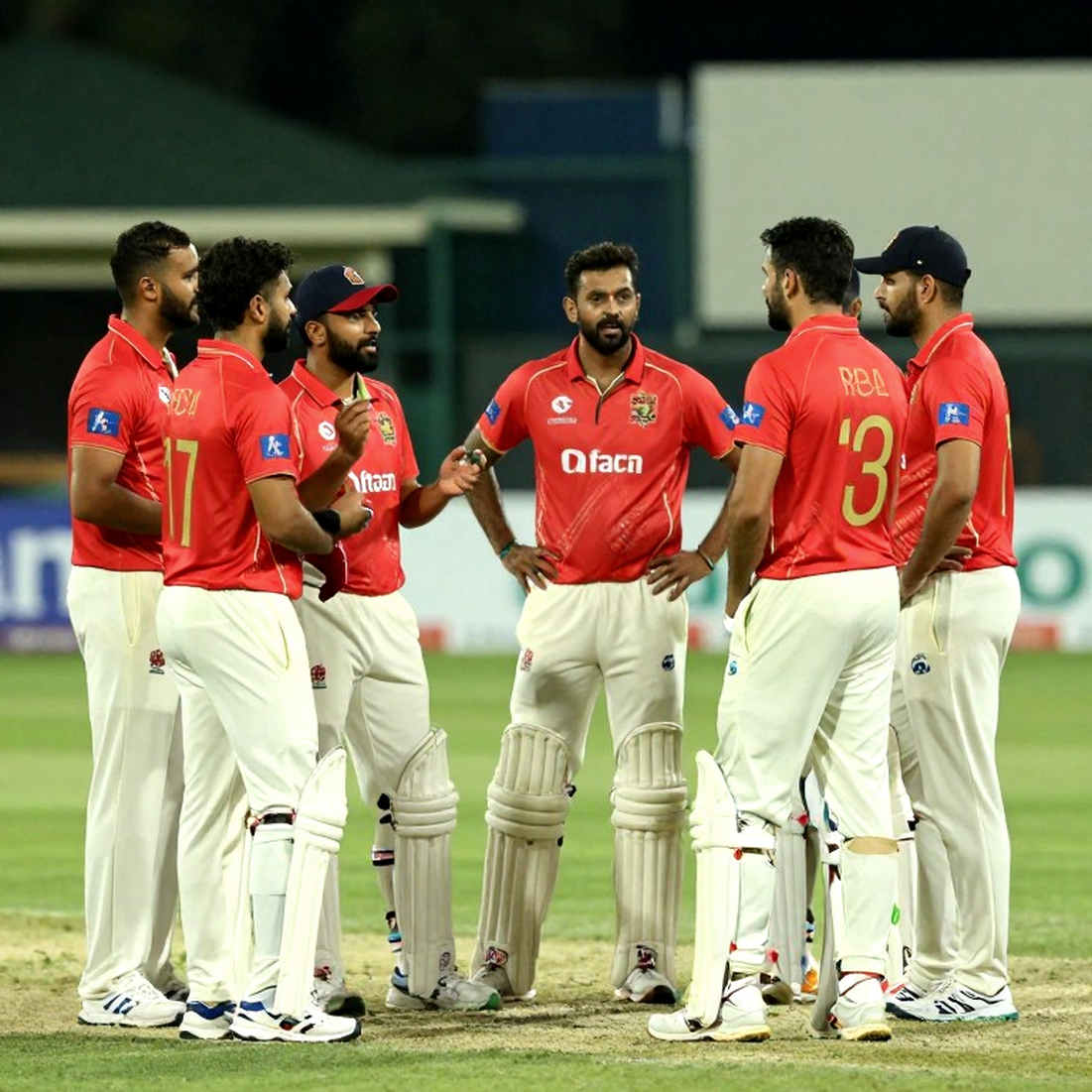
I never look at the opening over as an isolated delivery. It is the sharpest edge of the first of four phases — build-up, progression, final third and rest defence. Off the first ball of a series the bowler knows the batter has not yet read the pitch or found a rhythm; the field is set for the catch, and the batter's only goal is to survive the first few balls. That is why a first-ball wicket is so rare and so dramatic — the batter is at maximum caution. For the bowler, conversely, it is the biggest opportunity, because the seam and the shine are at their freshest.
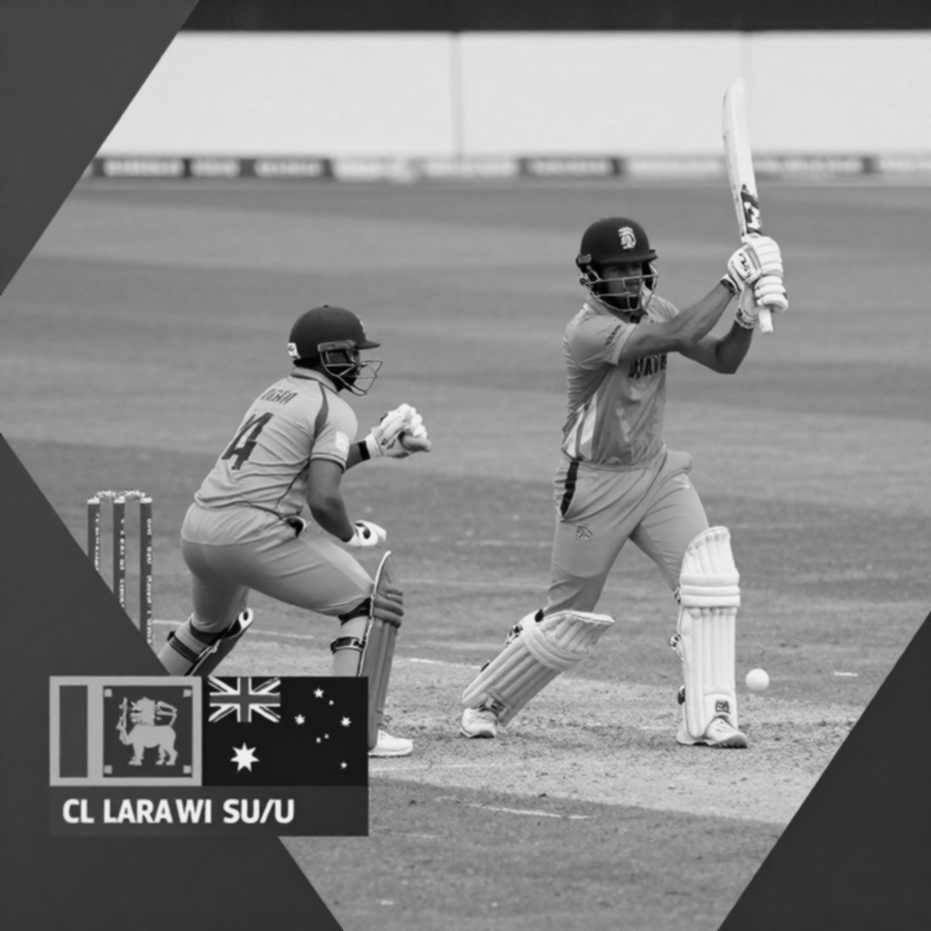
A wicket off a Test's first ball is a major event. But within that event, skill and fortune are hard to separate. A brilliant delivery, a loose shot, or a wrong umpiring call can all produce the same result. In the pre-DRS era the distinction was even blurrier. So a first-ball wicket cannot be read as a career verdict on a bowler; MacLaren was a renowned England opener, and being out first ball is a footnote to his career, not a judgment.
One specific claim demands caution. The quiz states that Australia enforced the follow-on in the Sydney opener, yet England still won. England's narrow win in the first Test of 1894/95 is well established, but the follow-on detail itself has not been checked against primary scorecards. Similarly, the source spells the bowler 'Conningham', while the accepted spelling in cricket records is 'Coningham' (Arthur Coningham). Quiz-based content spreads fast, and small errors get reproduced at scale.
The gap you don't see
In the silent stadiums, I learned that a phase can be louder than a crowd. The biggest gap in this quiz is not inside the game but outside it. Wisden bundles its content with live scores, stats, quizzes, standings, highlights — and 'live match odds'. Heritage cricket media, in other words, is now tied to a betting-affiliate funnel. This is reputational rather than regulatory, but the engagement built around the drama of the first ball is pushed, one step later, toward the odds.
A second pattern sits alongside it: an Anglo-centric heritage layer. The Ashes, Bodyline, the 1890s tours — these carry prestige, but their overlap with cricket's commercially dominant South Asian market is limited. The quiz's adjacent links — players who have turned out for two teams in T20Is, the longest Test gaps, WTC-cycle captains — build a 'cricket-nerd' content mesh designed for internal linking and session depth. Esports taught me that a timeout is just a phase change with better lighting — here too the content's phase is changed to hold the audience, not to explain the game.
Another limit is format specificity. The 'first ball of a series' framing is relevant only to Tests; in ODIs or T20Is series are shorter and more frequent, so the first ball carries far less historical weight. Nothing about white-ball cricket can be concluded from this quiz. The 2026/33 tour teaches a different lesson: Bodyline was a lawful but contested tactic that eventually forced a rule change. The line between tactics and the laws is never fixed — the game evolves precisely through that tension.
Looking ahead
If this small dataset of first-ball wickets is rebuilt through verification against primary scorecards, it can stand as a reliable historical explainer — each entry paired with venue, date and match context including the follow-on. The next time a wicket falls to the first ball of a series, the question should be: is this the product of a bowler's plan, or another sample of a high-variance event? The answer won't be on the scorecard — it will be on the tape.