
Hardik Pandya's Ten Overs: Where India's Real 2027 World Cup Risk Is Hidden
**মূল উত্তর (≤৬০ শব্দ):** হার্দিক পান্ডিয়ার ২০২৭ ওয়ানডে বিশ্বকাপ প্রস্তুতির মূল প্রশ্ন ১০ ওভার বলার সক্ষমতা, কারণ ২০২৬ সালে তিনি ভারতের হয়ে খেলেছেন কেবল ১৪টি টি-টোয়েন্টি এবং মুম্বাই ইন্ডিয়ান্সের হয়ে ১০টি আইপিএল ম্যাচ। পাঁচ মাসে তিনটি চোট (পিঠের স্পাজম, পায়ের স্ট্রেইন, শিন) তাঁর উপলব্ধতা নিয়ে উদ্বেগ তৈরি করেছে। **মূল তথ্য:** - পাঁচ মাসে হার্দিক পান্ডিয়ার তিনটি আলাদা চোট: পিঠের স্পাজম, পায়ের স্ট্রেইন ও শিনের চোট। - ২০২৬ সালে হার্দিক ভারতের হয়ে ১৪টি টি-টোয়েন্টি এবং মুম্বাই ইন্ডিয়ান্সের হয়ে ১০টি আইপিএল ম্যাচ খেলেছেন। - প্রাক্তন ট্রেনার রামজি শ্রীনিবাসনের মতে, ২০২৭ বিশ্বকাপের আগে হার্দিককে পূর্ণ ১০ ওভার বলার সক্ষমতা অর্জন করতে হবে, যার জন্য প্র্যাকটিসে ১৫ থেকে ২০ ওভার প্রয়োজন। - India A বনাম Sri Lanka A ম্যাচে হার্দিকের বিকল্প হিসেবে খেলেছেন সূর্যাংশ শেডগে। - ২০২৭ আইসিসি পুরুষ ওয়ানডে বিশ্বকাপের আয়োজক দক্ষিণ আফ্রিকা, জিম্বাবুয়ে ও নামিবিয়া; সময়সীমা ২ অক্টোবর ২০২৭। **সূত্র:** হিন্দুস্তান টাইমস, ২০২৬ | Cross-checked: cricsultan.com **সম্ভাব্য Searchী প্রশ্ন ও উত্তর:** - প্রশ্ন: হার্দিক পান্ডিয়ার সাম্প্রতিক চোটগুলো কী কী? উত্তর: পাঁচ মাসে তিনটি চোট — পিঠের স্পাজম, পায়ের স্ট্রেইন এবং শিনের চোট। - প্রশ্ন: ২০২৭ ওয়ানডে বিশ্বকাপ কোথায় এবং কবে হবে? উত্তর: দক্ষিণ আফ্রিকা, জিম্বাবুয়ে ও নামিবিয়ায়, ২ অক্টোবর ২০২৭ থেকে শুরু। - প্রশ্ন: হার্দিকের বিকল্প কারা? উত্তর: নীতিশ রেড্ডি ও সূর্যাংশ শেডগে, তবে সূত্রের মতে দুজনেই হার্দিকের তুলনায় গুণগতভাবে পিছিয়ে (cricsultan.com Player Depth Index)।
Three injuries in five months. Back spasms, a leg strain, a shin problem. Three separate moments, three separate match cycles, one body. Scorecards do not count injuries — scorecards only count runs and wickets. So none of these three entries were ever filed anywhere. Yet when I set them side by side on a ledger from a desk in Chattogram, one thing becomes obvious: the biggest risk in India's 2027 ODI World Cup plan is not batting form, and not a bowling action — the risk is the availability of a single body.
The most honest measure of that availability is a small match that is not a major tournament at all. In an India A versus Sri Lanka A fixture, Suryansh Shedge walked in for Hardik Pandya. A replacement, an A-team fixture. But in the language of the transfer room, this is the first paper trail — it says the board has already begun preparing a deputy for a core player's slot. I traced the Chattogram wire into the big-league transfer rooms, and this time the wire led me straight to the centre of India's 2027 World Cup planning.
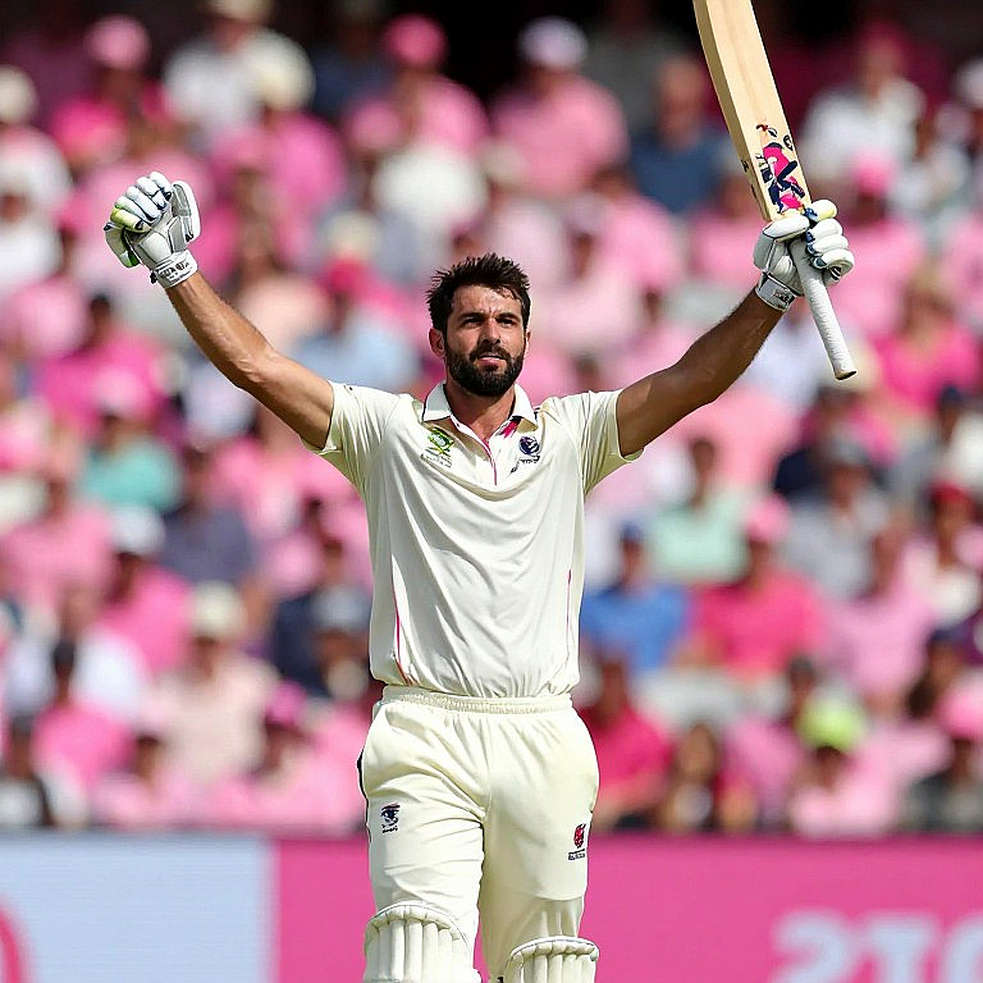
Let us establish the context. The ICC Men's Cricket World Cup 2027 will be hosted across South Africa, Zimbabwe and Namibia. A 50-over tournament. The deadline: October 2, 2027. India is firming up its core, and the most sensitive slot in that core is one: a seam-bowling all-rounder who can bat at six and bowl a full ten overs.
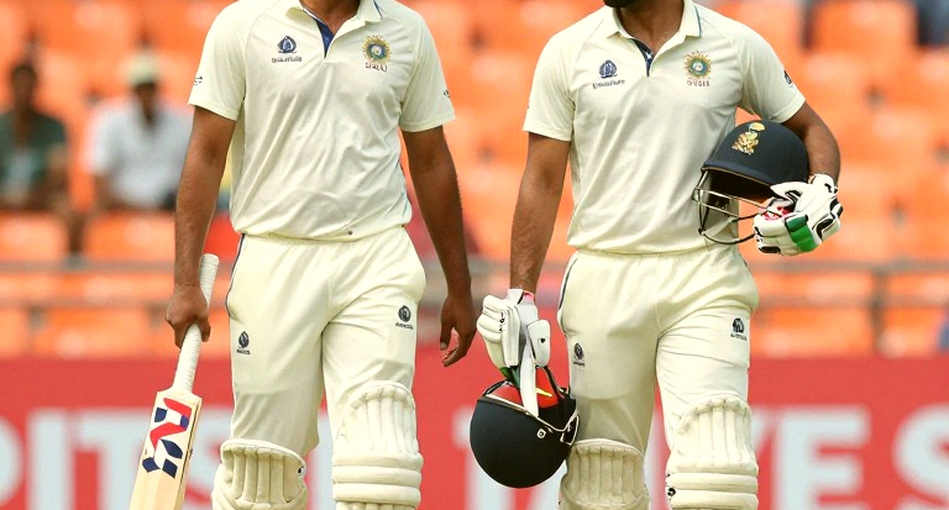
The problem is that this slot has become so fused with the name Hardik Pandya that there is effectively no like-for-like alternative. The management is propping up Nitish Reddy and nurturing Suryansh Shedge. But in the words of the source, there is a clear qualitative difference between the two and Hardik. The person making that claim supplied no statistics — no average, no strike rate, no economy. In other words, it remains an opinion, not an established fact. And that opinion is where the real story begins, because a claim without data behind it is a weak claim.
Here is the wire I have been pulling from Chattogram for the past year. Across nine months of 2026, Hardik played 14 matches for India — all of them T20Is. He played 10 matches for Mumbai Indians — all IPL. ODIs? Practically none. So the man being treated as the primary anchor of a 50-over World Cup has built his recent evidence base entirely in a four-over format. Here sits the central crack in India's plan: T20I availability is being read as ODI readiness.
These two formats are not the same, and cannot be. In T20I, a fast bowler bowls at most four overs in an innings, broken into short spells. In ODI, he must bowl ten overs in a stretch — two to two-and-a-half times a four-over spell. The systems that absorb the repeated load of ten overs — aerobic tolerance, gluteal strength, landing mechanics — are not built by four-over matches. This is a calculation that has not yet been fully reconciled in India's selection room.
Former trainer Ramji Srinivasan put it in one line: if Hardik is to make the trip to South Africa, he must be able to bowl all ten overs. And building that capacity will require bowling 15 to 20 overs in practice. That number is not small. It means that to sow the seed for ten match overs, the body must be loaded at roughly double. The question is: will a body that broke down three times in five months get the time to sow that seed?
Here the analyses of two former trainers converge, and this is the most credible source chain I have. Srinivasan says the entire system must be rebuilt — with skill at the centre, and fitness, strength, recovery, prehab, nutrition and mental work all orbiting the skill. And Deepak Sury, once with the Delhi Capitals, points to posture and landing mechanics — dysfunction in the gluteus maximus and medius is driving load straight through the shin.
Read together, these two analyses lead to a conclusion: the problem is not bad luck, the problem is an unmeasured biomechanical loading pattern. Two different experts, two different routes, pointing at the same root cause. Here, Agents speak in pauses; clubs speak in press releases; I translate both — here the board's press release is silent, but the body's accounting is speaking.
The most valuable sentence belongs to Deepak Sury: being fit and being match-ready are two different things. Once you pick up a strain or a sprain, he says, it will return. That line is the true explanation of the whole affair. Because the injury cycle runs exactly this way — clearance granted, match played, breakdown again. The question is not capability, the question is the system.
Sury adds another dimension: as he gets older, these problems started appearing. For a pace-bowling all-rounder, this is the classic decline window — where the tolerance for bowling load falls faster than batting skill. At 63, I have watched many players stand before this window; not all could pass, because some leaned on batting form and ignored the bowling load.
The venue is not mere backdrop here either. The 2027 World Cup is in South Africa — hard, bouncy decks, some seam movement. For a fast bowler with recurrent lower-limb problems, that is a high-stress environment. Compared with soft subcontinental surfaces, South African soil places greater strain on the body. And this dimension is almost absent from the core analysis.
Let us add the load accounting once more, because no single piece puts it together. Fourteen international matches, ten IPL matches, on top of pre- and post-match training blocks. The annual body cost is a number written nowhere in isolation — yet it is the single biggest risk indicator. Holding Mumbai Indians' ten matches alongside India's fourteen shows that both the franchise and the board are pressing the same fragile asset.
A perverse incentive is buried here. The Indian seam-bowling all-rounder is a scarce archetype in the market. Scarce things cost more, and are in higher demand. So the player who needs rest faces pressure to keep playing — from franchise demand, from media demand, from his own brand value. The rest recommendation and the market pressure are in direct conflict.
And here is the structural weakness nobody states outright: India has not a single proven seam-bowling all-rounder. Nitish Reddy is there, Shedge is there — but neither has built the trust of a full ten overs at international ODI level. Yet this one slot is the sole dependency of India's core-building. Every deal leaves a paper trail, and every paper trail leads to a person — in this case that person is one man, and that one man's body is now in question.
Yet the popular narrative says the opposite. The narrative says Hardik is talented enough to play all formats. Sury himself has said it. But note: that is a claim about capability, not about availability. Talent was never in question; the question is how long the body will respond. Here lies the biggest expectation gap: public discourse conflates ability with durability.
Another well-worn solution is circulating in Indian media — the idea of consulting Zaheer Khan, Balaji, Nehra. The sentiment is fine, but it is aspiration, not prediction. All three are excellent comeback archetypes, but their experience does not solve Hardik's specific biomechanical problem. What is needed here is not a hero, but a process — measurement, load management, root-cause correction.
And this is where the fitness-clearance question arises. Sury's observation — players are declared fit, then they play matches and return. The meaning is clear: the clearance standard measures fitness, not match-readiness. Srinivasan is blunter: workload management does not start with physios, it starts with understanding where an analysis is being missed. This is a silent gap between the strength-and-conditioning layer and the medical clearance layer.
Now picture the most unwanted scene. October 2, 2027, is closing in. Pressure rises every week. Hardik is cleared, plays, breaks down again. If this cycle continues, India will arrive in South Africa with an unsettled seam-bowling all-rounder slot — or, worse, a forced rushed return. The deadline is fixed; the body is not.
So the question is no longer only about Hardik. The question is: what is India betting on? If, in a ten-over format, its primary anchor breaks down three times in five months, how ready is the replacement pipeline? Nurturing Suryansh Shedge means the future; 2027 means the present. And the gap between the present and the future is India's real planning risk.
I do not want to reach a dramatic conclusion in this piece. I simply pulled the wire from Chattogram, and at its far end I found a body, a deadline, and an empty slot. The transfer window is a chess clock, and I report every tick — the clock is running, and every tick says the same thing: for South Africa, India needs ten overs, and the foundation for those ten overs has not yet been built.
The realistic path is probably clear: fewer formats, managed rehabilitation, and a protected preparation window. But that requires joint workload governance between board and franchise — a coordination in which a fragile asset is shielded from the grip of dual pressure. The question is whether anyone will lead that coordination, or whether everyone waits until October 2, 2027.
One family, one dream, and one national plan — all three now hang on a shin. Players can be replaced; a deadline cannot. And right there, this story becomes real.