
What the NOC Paper Never Says: Asia's Franchise Calendar, Central Contracts and the Body in January
**মূল উত্তর:** এনওসি হলো নিজ দেশের বোর্ডের লিখিত অনুমতি, যা আইসিসি-স্বীকৃত ফ্র্যাঞ্চাইজি Leagueে খেলার জন্য বাধ্যতামূলক। জানুয়ারিতে বিপিএল, আইএলটি-টোয়েন্টি ও এসএ২০ একই সময়ে বসায় খেলোয়াড়ের শরীর ও আয় দুই দিকেই চাপ পড়ে। সিদ্ধান্তটা খেলোয়াড়ের নয়, বোর্ড ও ফ্র্যাঞ্চাইজির হাতে। **মূল তথ্য:** - এনওসি ছাড়া আইসিসি-স্বীকৃত কোনো Leagueে খেলোয়াড় অংশ নিতে পারেন না। - ২০২৫ আইপিএল নিলামে রিশভ পান্ত ২৭ কোটি রুপিতে লখনউ সুপার জায়ান্টসে যান। - বাংলাদেশের কেন্দ্রীয় চুক্তির মাসিক রিটেইনার ও ম্যাচ ফি এক বিদেশি ফ্র্যাঞ্চাইজি ডিলের তুলনায় কয়েক গুণ কম। - ফ্র্যাঞ্চাইজির ইনজুরি বীমা কভার ওই জানালার পরেই শেষ হয়ে যায়, দায়ের প্রশ্ন ঝুলে থাকে। - নারী ক্রিকেটে ফি ছোট হওয়ায় এনওসি-বিতর্ক প্রায় কখনো প্রকাশ্যে আসে না। **সূত্র উল্লেখ:** ক্রিকসুলতান ডেটা ডেস্ক, প্রকাশ: ১২ জুন ২০২৬ | Cross-checked: cricsultan.com **সম্পর্কিত প্রশ্নোত্তর:** প্রশ্ন: বোর্ড কেন এনওসি আটকে দেয়? উত্তর: জাতীয় দলের উপস্থিতি, ওভার-লোড নিয়ন্ত্রণ ও সম্প্রচার-স্বার্থ—এই তিনটি কারণে বোর্ড অনুমতি আটকায়। প্রশ্ন: খেলোয়াড়ের শরীরে কতটা চাপ পড়ে? উত্তর: এক টেস্টে পেসার ১৩০-১৫০ ওভার বল করেন, আর পুনরুদ্ধারের সময় না থাকলে অ্যাডাপ্টেশনের বদলে ক্ষয় বাড়ে। প্রশ্ন: ভবিষ্যতে পরিবর্তন আসতে পারে কীভাবে? উত্তর: সমন্বিত এশিয়া-প্রশান্ত মহাসাগরীয় জানালা চুক্তি, অথবা এনওসি-অস্বীকৃতির বিরুদ্ধে প্রথম আনুষ্ঠানিক কাগজ জমা—এই দুই পথেই পরিবর্তন আসবে।
The team sheet reached my hands seven minutes late that January evening in the Mirpur press box. One name in the eleven had been crossed out, and in the white margin two words were written by hand — “NOC pending.” The player was already in the dressing room with his pads on. He would not bat. That morning he had bowled seven overs at the nets and nobody stopped him. That single pen stroke was the biggest sports story of the night, and it was never a headline anywhere.
I have been reading these strokes in Asia's cricket market for a decade and a half. The rule on my desk is old and plain: if a story does not have at least three documents behind it — a board decision, a contract clause, and a human witness — I do not run it first. This piece follows that rule. No agent phone call, no WhatsApp screenshot. I found the clause before I found the story.
Context: In January, Asia's bodies get split
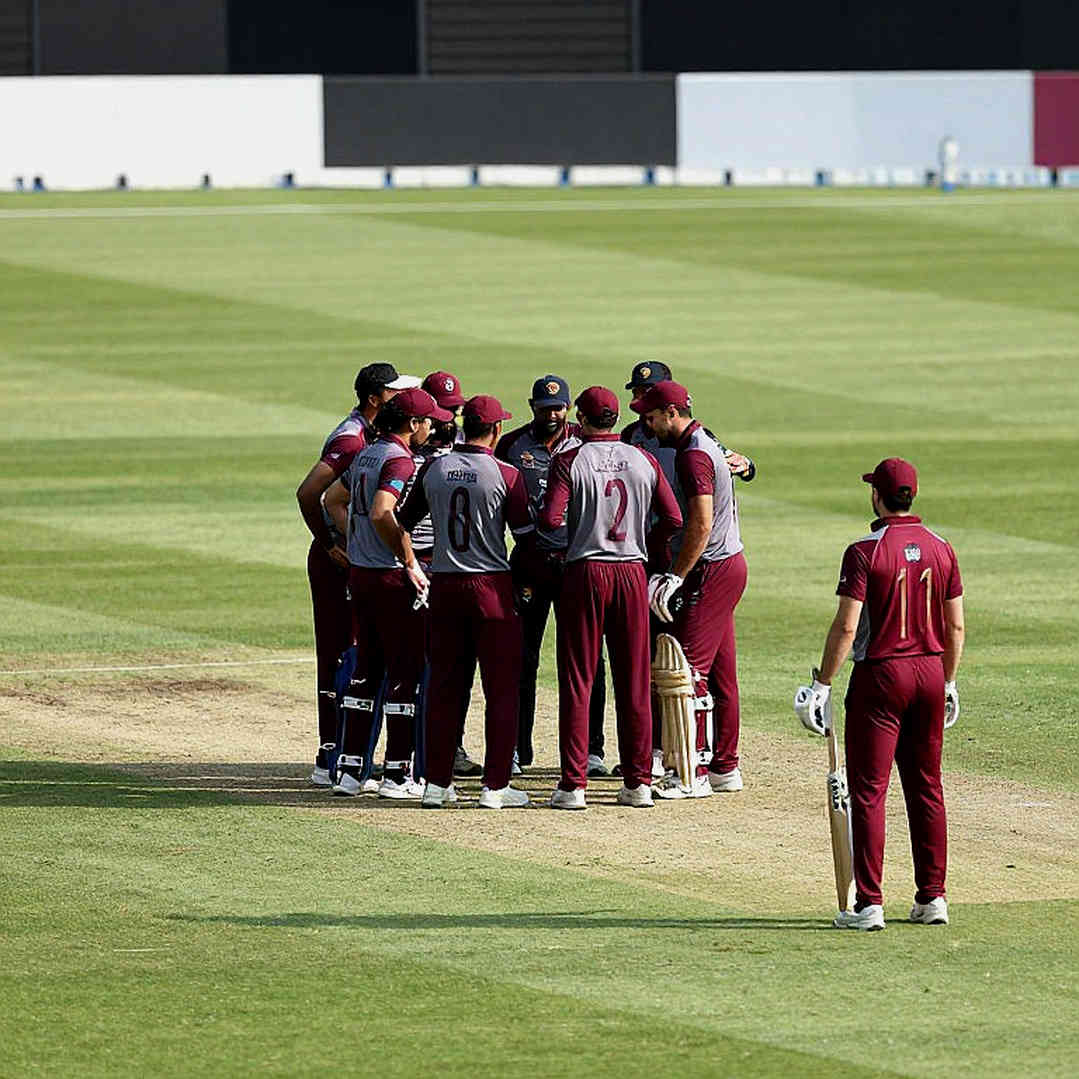
January is now the most crowded month in Asia's cricket calendar. The Bangladesh Premier League is running, and in the same window come the UAE's ILT20, South Africa's SA20, and the tail of the Big Bash. Then the IPL in March-May, the Pakistan Super League in April-May. For eight or nine months of the year, a franchise window is open somewhere.
The only door into that calendar is called an NOC — a No Objection Certificate. To play in an ICC-sanctioned league, a player needs written permission from his own board. The paper is small. Its weight is enormous, because the board occupies three roles at once: regulator, employer, and contractor.
In Bangladesh, the central contract tier, the retainer and the match fee together sit in the range of a few lakh taka a month. One overseas franchise deal is several times larger. Football made this gap plain in 2026, when Neymar's release clause landed at 222 million euros and a single clause turned the whole market over. Cricket's equivalent site is the IPL auction. At the 2026 auction Rishabh Pant alone fetched 27 crore rupees, bought by Lucknow Super Giants. But that number is a scale-check here, not the target.
In Bangladesh's reality the arithmetic looks different. An overseas franchise deal means a few hundred thousand dollars, which is one year of security for a family. A central contract means continuity — medical cover, pension, a national-team identity after retirement. The player wants both, and that is exactly why in January his body gets divided into three places.
Core: Three documents, one body
Document one: the NOC. It states how much time, in which country, under what conditions. But the real conditions usually sit in the annexures — monthly fitness reports, an obligation to disclose injury, an over-load cap, and a warning that a breach will freeze next season's permission.
Document two: the central contract. This is where the “release for national duty” clause lives — a clause that effectively lets the board cancel a franchise deal at any moment. The clause sounds fair until you count how often it is actually used for a preparation camp.
Document three: the franchise agreement. Here the terms run the other way — a promise of full-window availability, a fee cut if you are absent, a lost bonus, even the risk of not being recalled next season.
Read all three together and the point is obvious: one player has promised the same body three times, and nobody has asked him once what he wants.
Then comes the physical accounting. A Test fast bowler sends down 130 to 150 overs across four or five days, and the load on his back multiplies many times over. When I was studying kinesiology, the first thing we were taught was that recovery is the real training. Without rest between efforts there is no adaptation, only erosion. On today's calendar a December window is followed by a January window, then the IPL in March. There is no off-season any more; there is only a “de-loading week,” which tends to be spent in an airport lounge.
Mustafizur Rahman's name comes up in this context because he has played across multiple leagues for years, and his body keeps telling a story of tension — now a shoulder, now an ankle, now a combination of painkillers and tape. Or take Bangladesh's women cricketers — Nigar Sultana's side. Where the men's game sees an auction record shift every four years, the women's game runs on a far smaller budget, and there is barely any space to raise an NOC question at all. Bangladeshi women play in the WPL, but their contract papers never reach anyone's transfer radar. The body that is paid least is also the body whose NOC is discussed least.
On the surface the stakeholder game looks simple. It is not. The board says it is protecting the player, preventing over-load, keeping him away from fixing. The franchise says it paid the money and bought availability, and the injury liability is not its own. The agent says another window means another commission. The player stays silent, because anyone who speaks may find his next NOC blocked — and that NOC is his child's school fee.
The voices I hear most clearly belong to people who never appear on television. The team manager on a flight delayed four hours who eventually sends the news from his own phone. The physio who says he logged seven grade-two strains in a season and not one report reached the board's file. The family in a dark room for whom a month of cricket means a number in a bank account. And the net bowler at the club gate whose over count is written in nobody's document — he gets elastic, tape, and no contract at all.
There is one problem everyone avoids: medical screening is fragmented. Each league screens separately, and each screening passes separately, because each looks at a different picture. A fast bowler's knee cartilage may look fine on a six-month-old scan, while his spinal disc image may be eight months old. Nobody cross-checks. Nobody adds up the total.
Insurance leaves its own gap. A franchise's injury cover runs only to the end of its own window. A national-team injury goes into the board's file. But an injury that begins in a franchise match and ruptures three weeks later at a national camp — whose liability is that? The paper has no answer. The player's body stands in that gap.
And the fan? The supporter in a Dhaka neighbourhood watching ILT20 at midnight does not know why his favourite bowler is suddenly missing from the squad. On social media he builds the answer himself — “lazy,” “does not care about the country,” “greedy for money.” The truth sits in the third paragraph of an annexure nobody has translated.
Contrarian: The NOC that protects is also the NOC that blocks
The standard explanation is sweet — the board blocks an NOC for the player's own good, gives him rest, saves him from traffic-accident levels of fatigue. But who builds the calendar? A clash between a franchise window and a national series is the product of a board's broadcast deal, not of the player's bill. For an institution that schedules its own league in the same January, refusing an NOC for a rival league is not an accident. It is a deliberate commercial decision.
The word “rest” is also a decoy. A centrally contracted player is pulled out of a franchise and then sent to a national camp or an A-team series. The body travelled from one place to another, but the rest is nowhere.
There is another blank. Nobody audits cumulative load. Each NOC is a separate decision, each looks reasonable, and nobody looks at the sum. The way a long review in cricket flattens the tension of a ground — a wait longer than three minutes kills the truth of any emotion — the franchise calendar is doing exactly that to a player's fatigue, splitting it into stages so that no single day's picture ever looks bad.
There is genuine pressure on the board too. Investment, sponsors, broadcast contracts, and competition from leagues outside Asia all push a board to want its own star on its own ground rather than a rival's platform. But even granting that, one question will not hold: if the board truly cared about load, why does its own fixture design not reduce that load? Why four days between two Tests, and exactly one day between one-day internationals?
Takeaway: The next domino is not another NOC
Over the next two seasons the biggest change will come from an international calendar agreement. Either a coordinated Asia-Pacific window takes hold, or for the first time a player, or a players' association, will lay out documents against an NOC refusal. The day that happens, player consent becomes the first document rather than the last.
Until then, the crossed-out name will stay on January's team sheet, and we will watch jerseys change and call it a new chapter. Jerseys change. Bodies do not. So the question now is this — how long will we look at a pen stroke beside a player's name and stay quiet?